À propos de
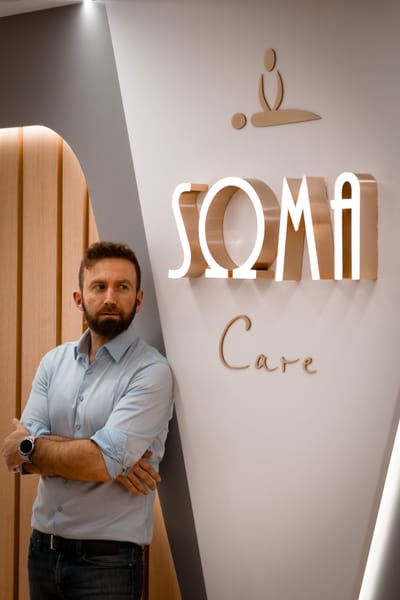
Laertis Papakronis, PT, MPhty, MT, MAACP
Fort d'une solide formation académique et clinique internationale, Laertis offre des soins d'une qualité exceptionnelle en physiothérapie moderne. Il a obtenu sa licence et sa maîtrise à l'Université d'Athènes avant de poursuivre son perfectionnement professionnel en Europe, aux États-Unis, au Canada et en Australie.
Sa formation internationale comprend un mentorat auprès d'experts de renom, tels que Dean Watson, fondateur de l'approche Watson pour les céphalées et l'un des cliniciens les plus influents au monde dans le traitement des céphalées et des migraines. En 2019, Laertis a obtenu la certification de praticien Watson Headache à Sydney, sous la supervision directe du Dr Dean H. Watson.
Aujourd'hui, il allie plus de dix ans d'expérience clinique et un large éventail de spécialisations post-universitaires. Son expertise couvre la thérapie manuelle, l'ostéopathie et l'acupuncture médicale, et est attestée par son accréditation de l'Association des physiothérapeutes agréés en acupuncture (AACP).
Sa philosophie clinique repose sur la précision, la clarté et une compréhension holistique du corps humain. Chaque plan de traitement est personnalisé et intègre les facteurs physiques, neurologiques et environnementaux afin d'obtenir des résultats significatifs et durables.
Reconnu à Bruxelles pour son approche méticuleuse et son engagement envers le bien-être des patients, Laertis s'est forgé une réputation de physiothérapeute alliant rigueur scientifique et soins personnalisés de haute qualité.
Thérapie manuelle

Manual therapy
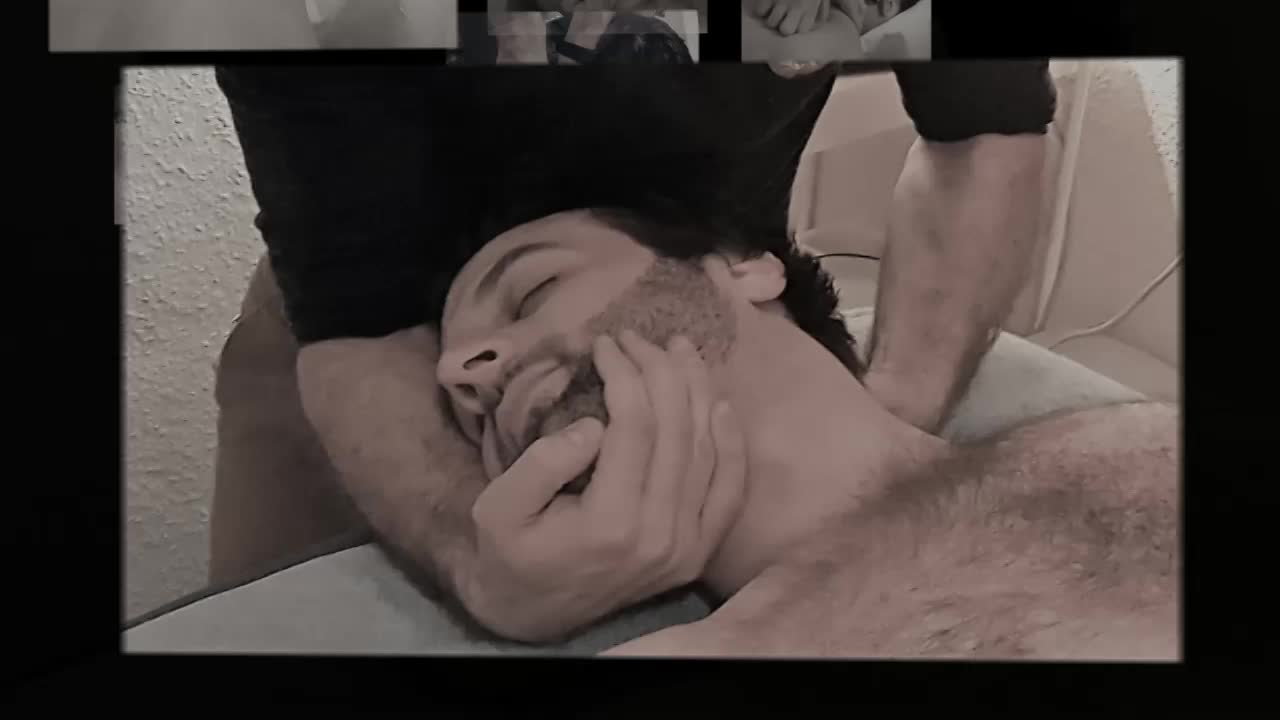
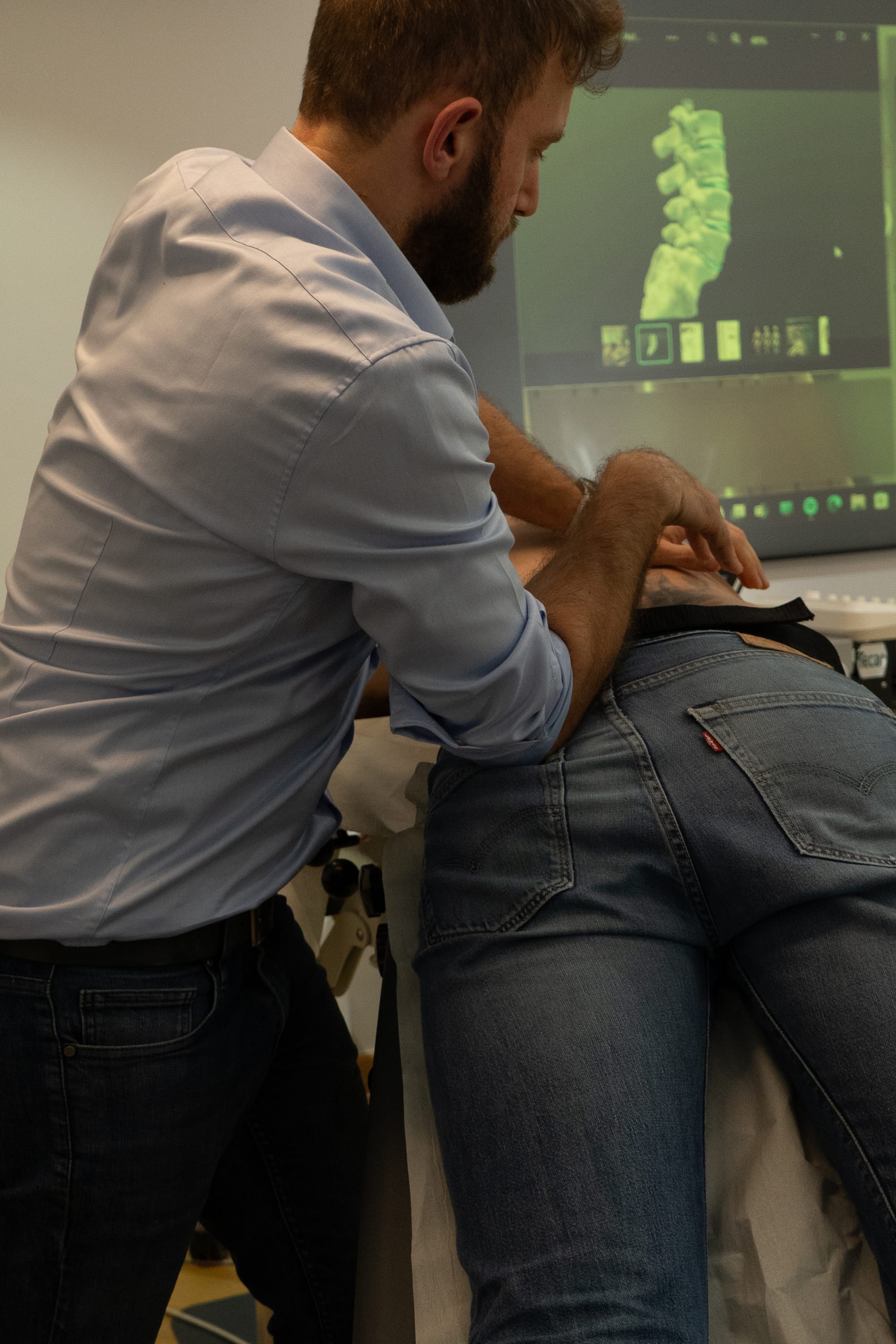
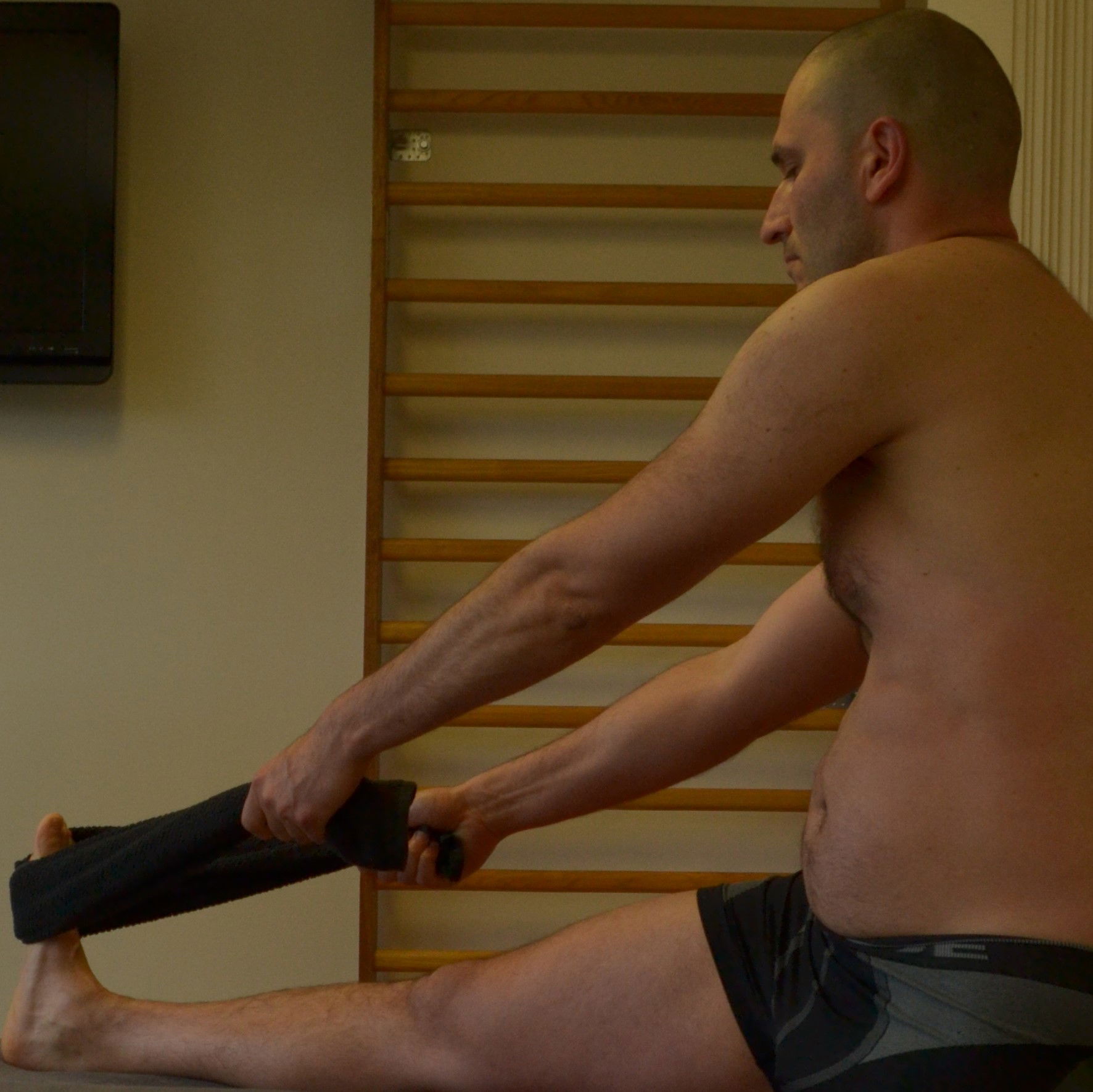
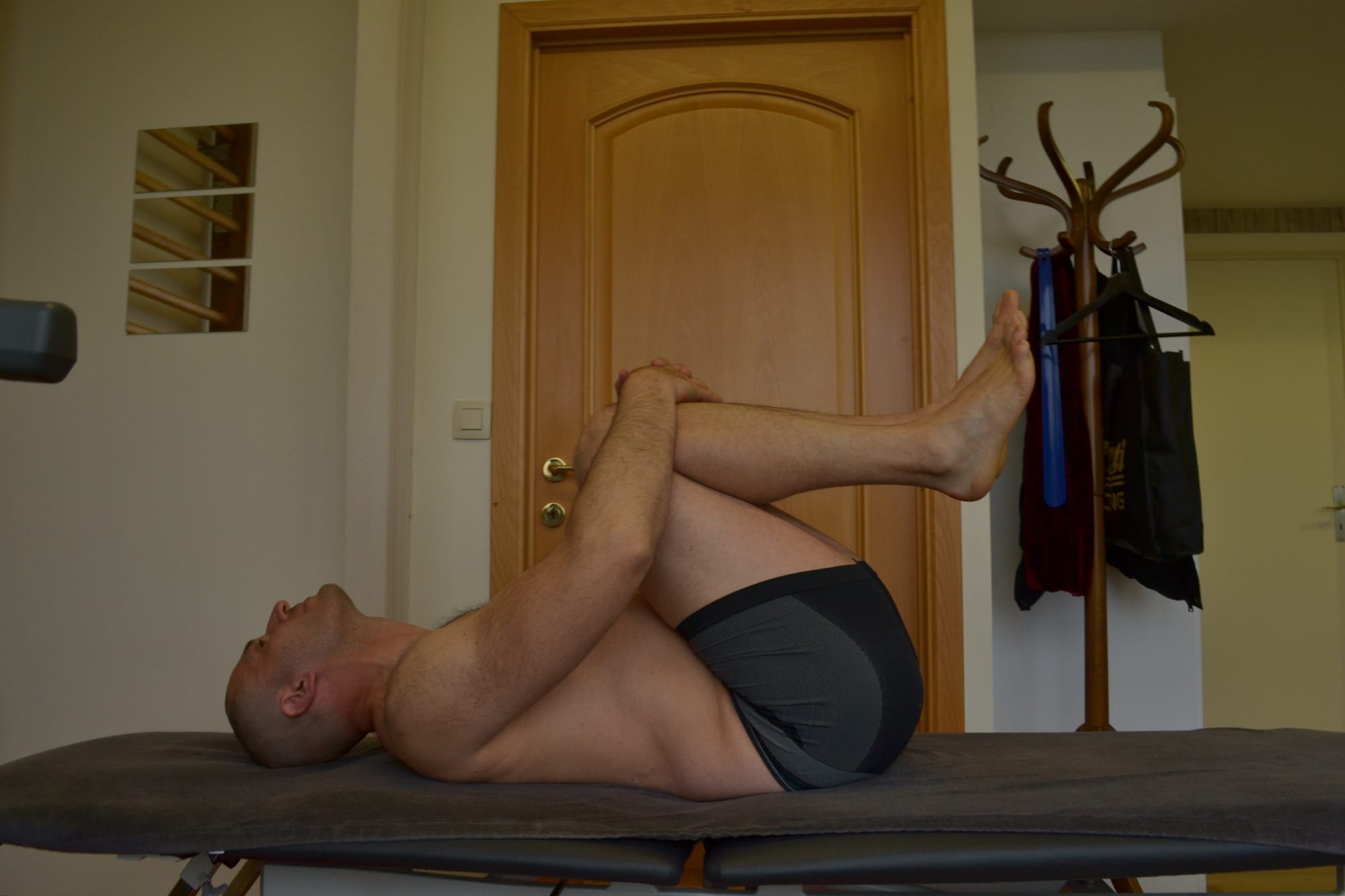
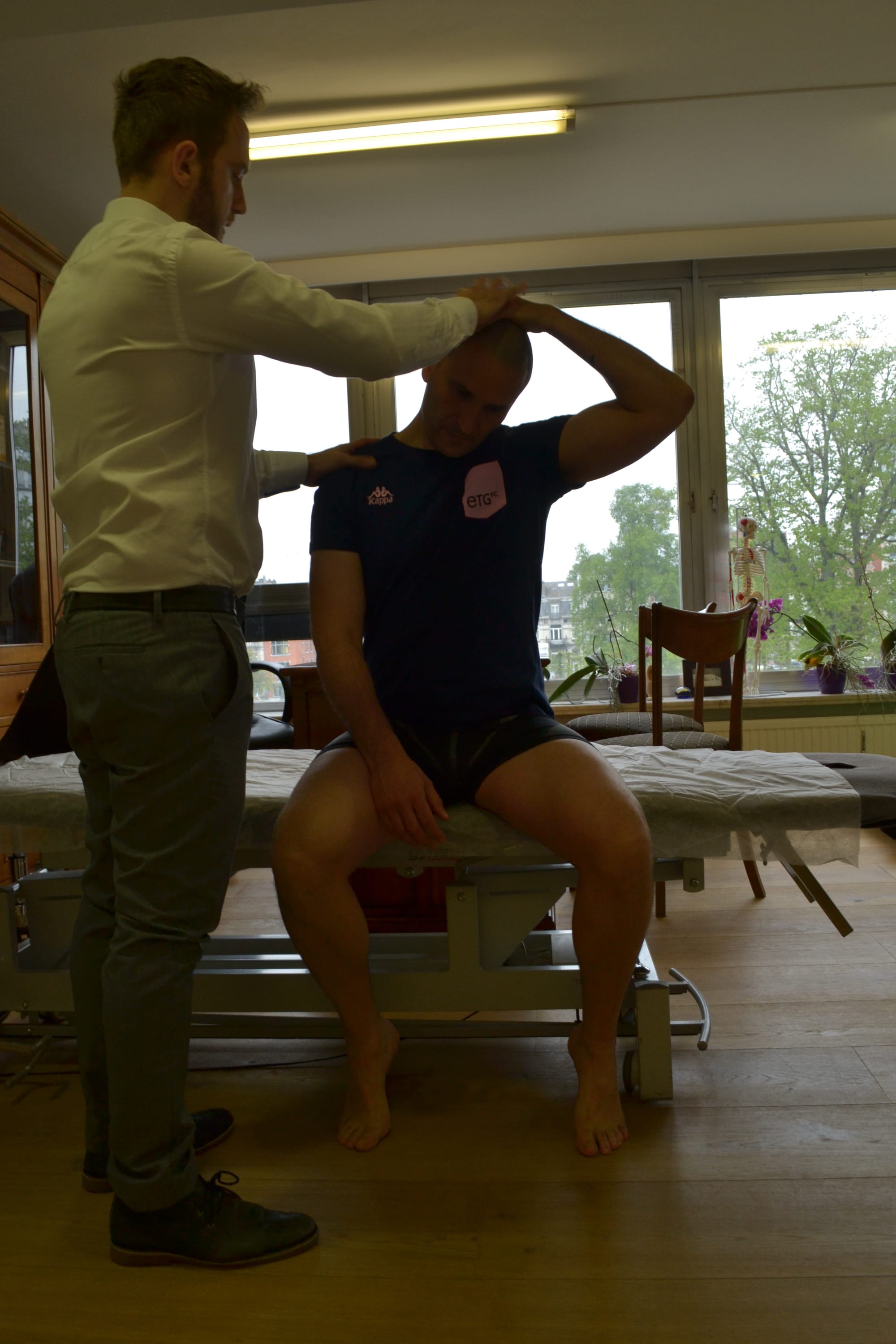
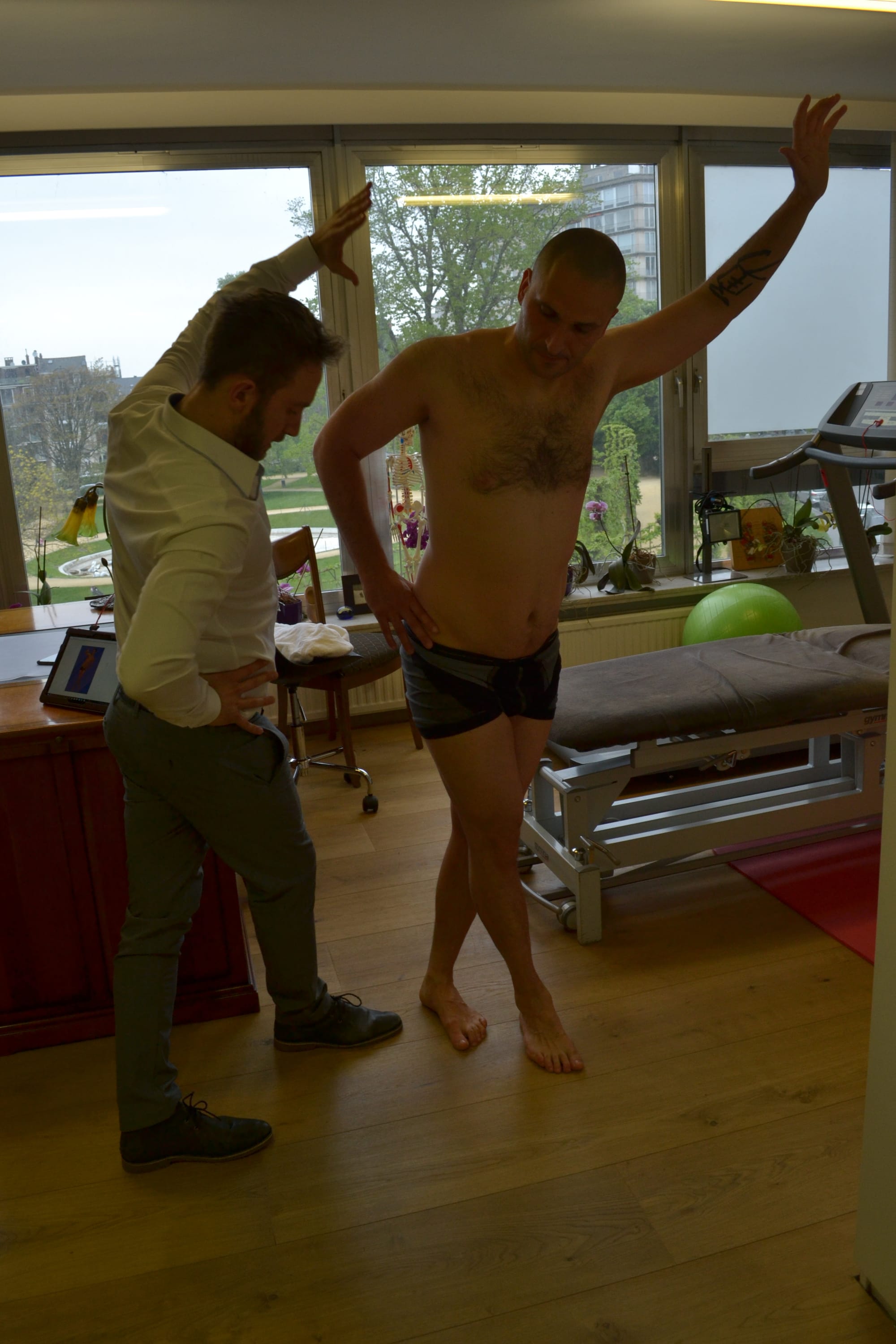
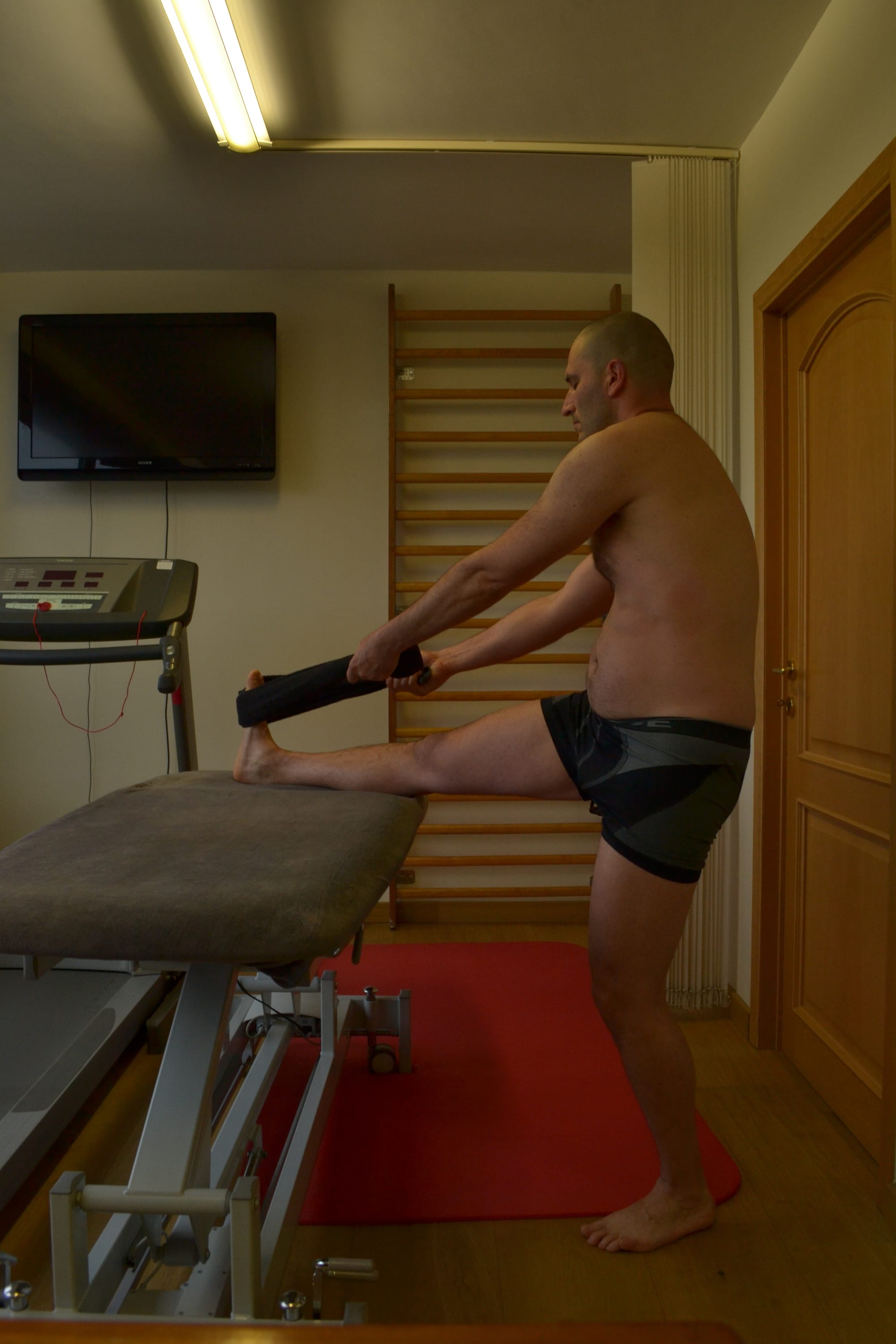
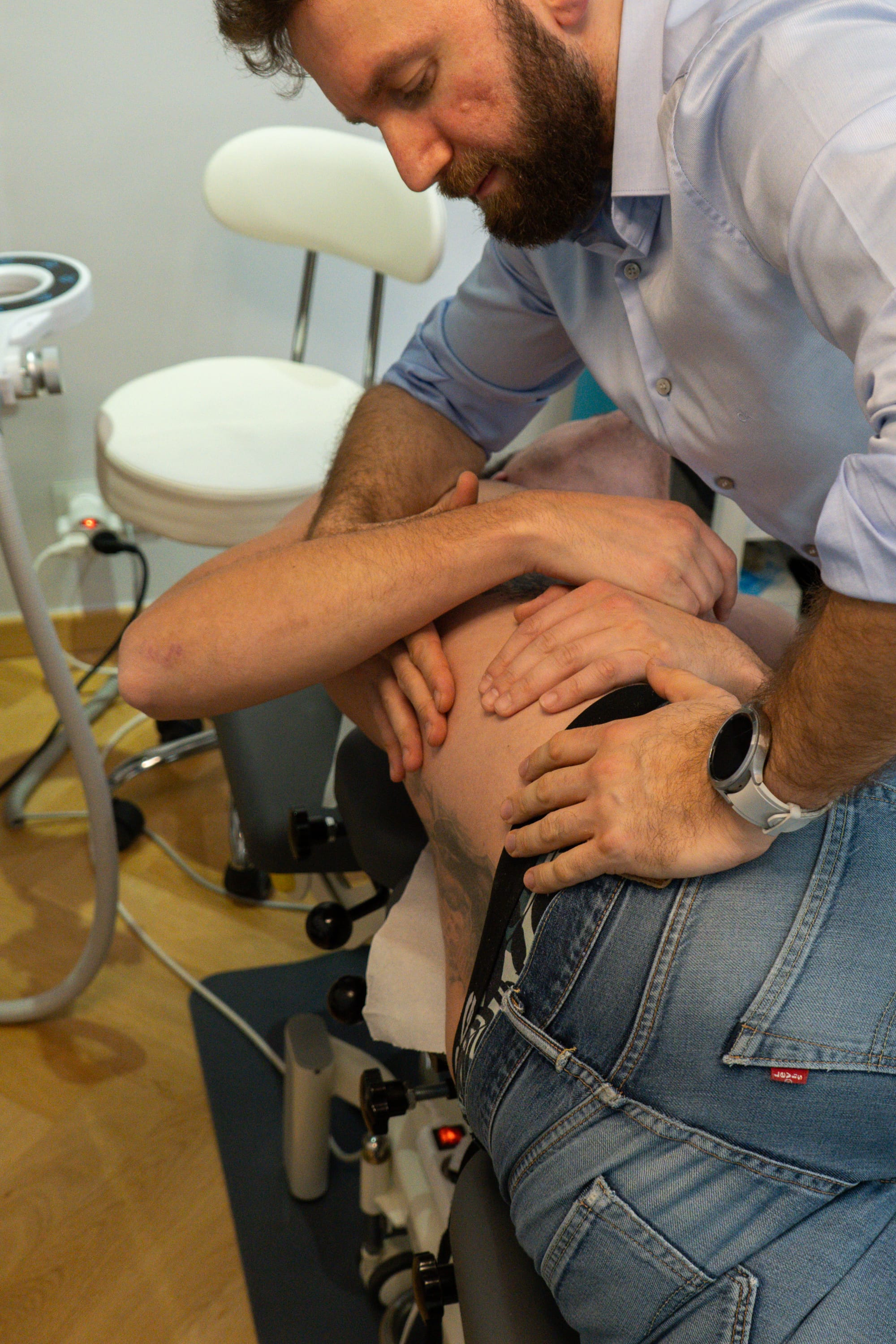
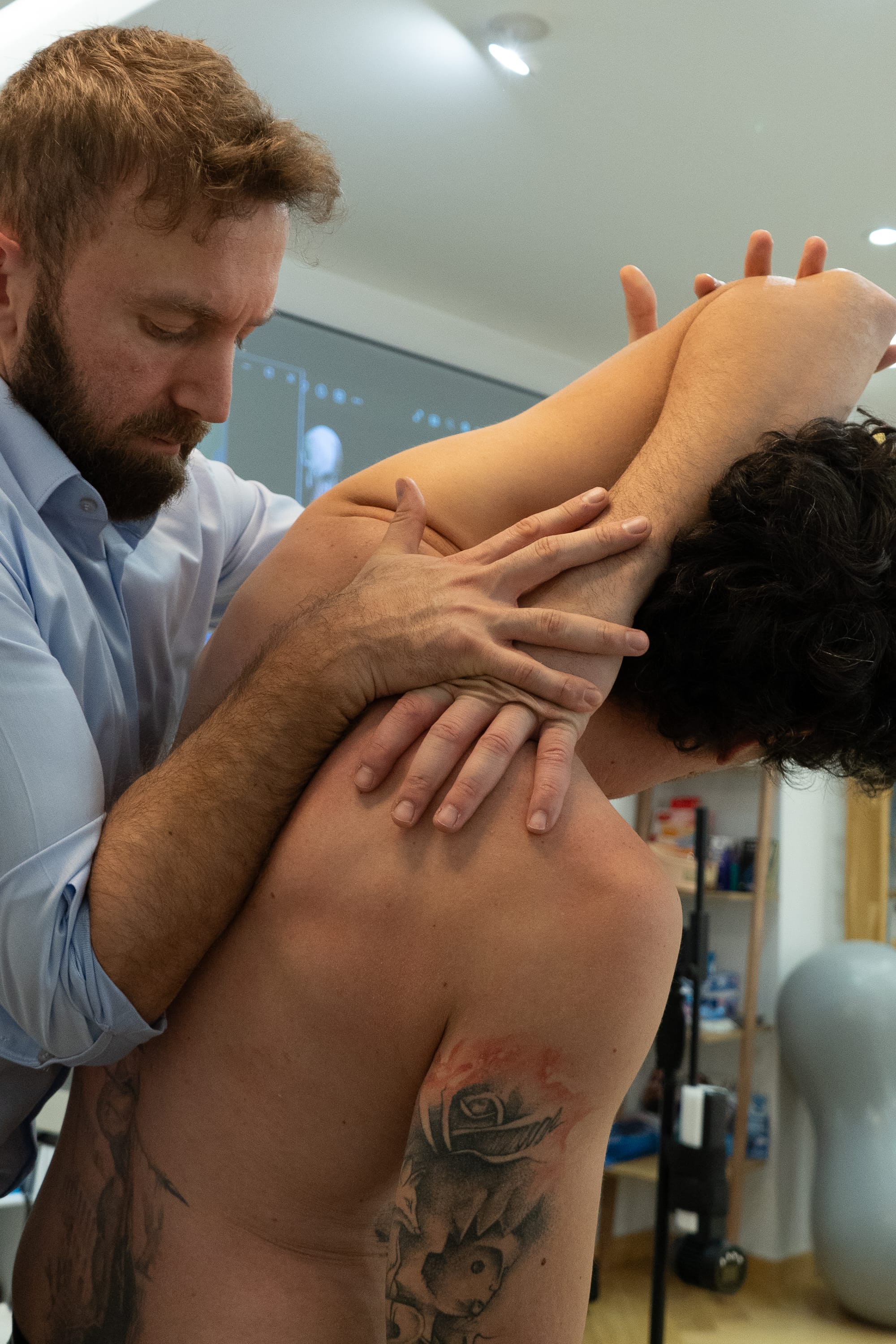
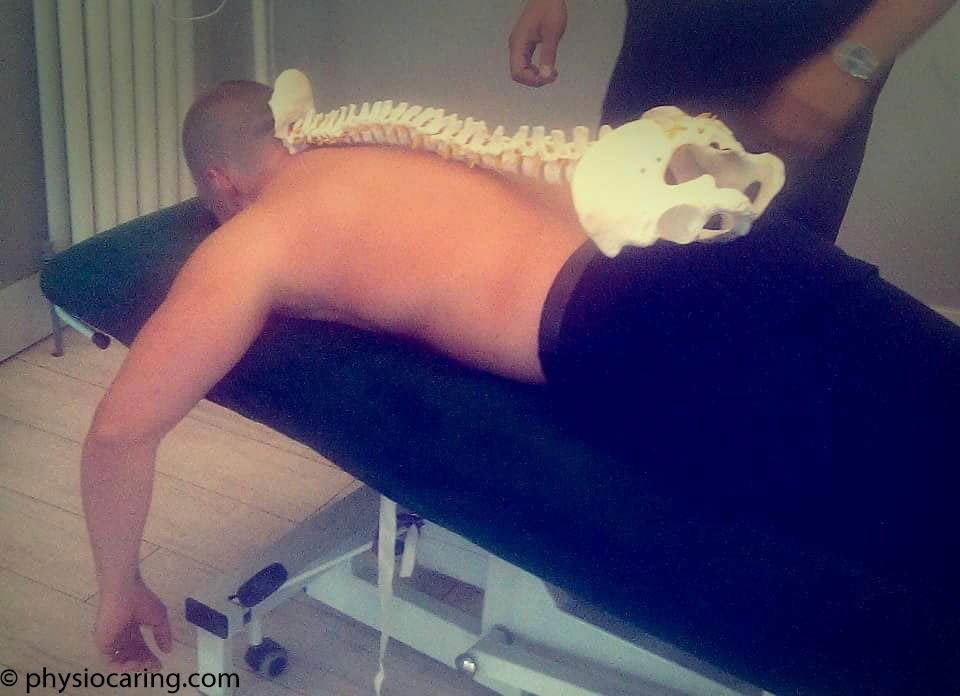
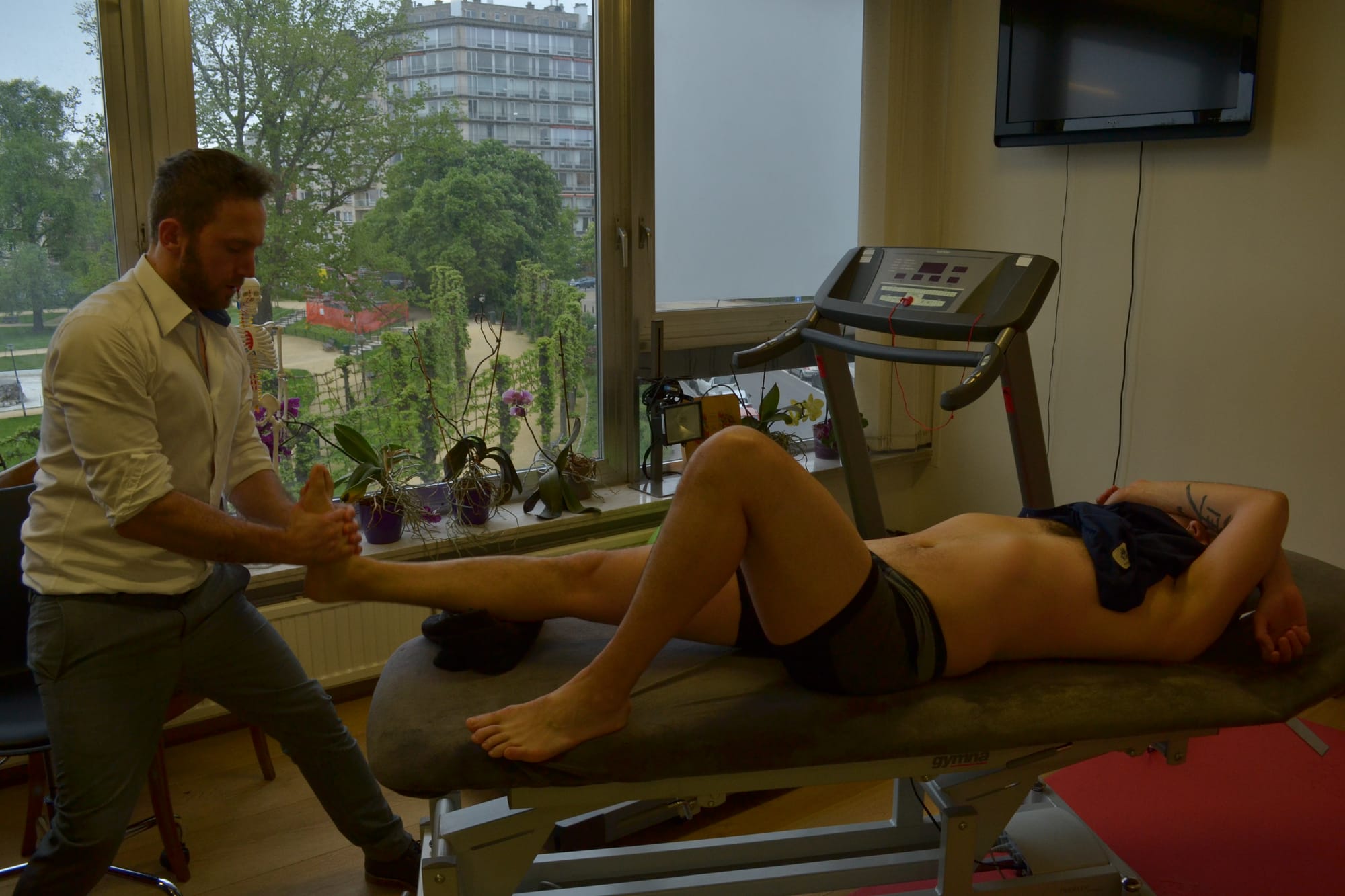
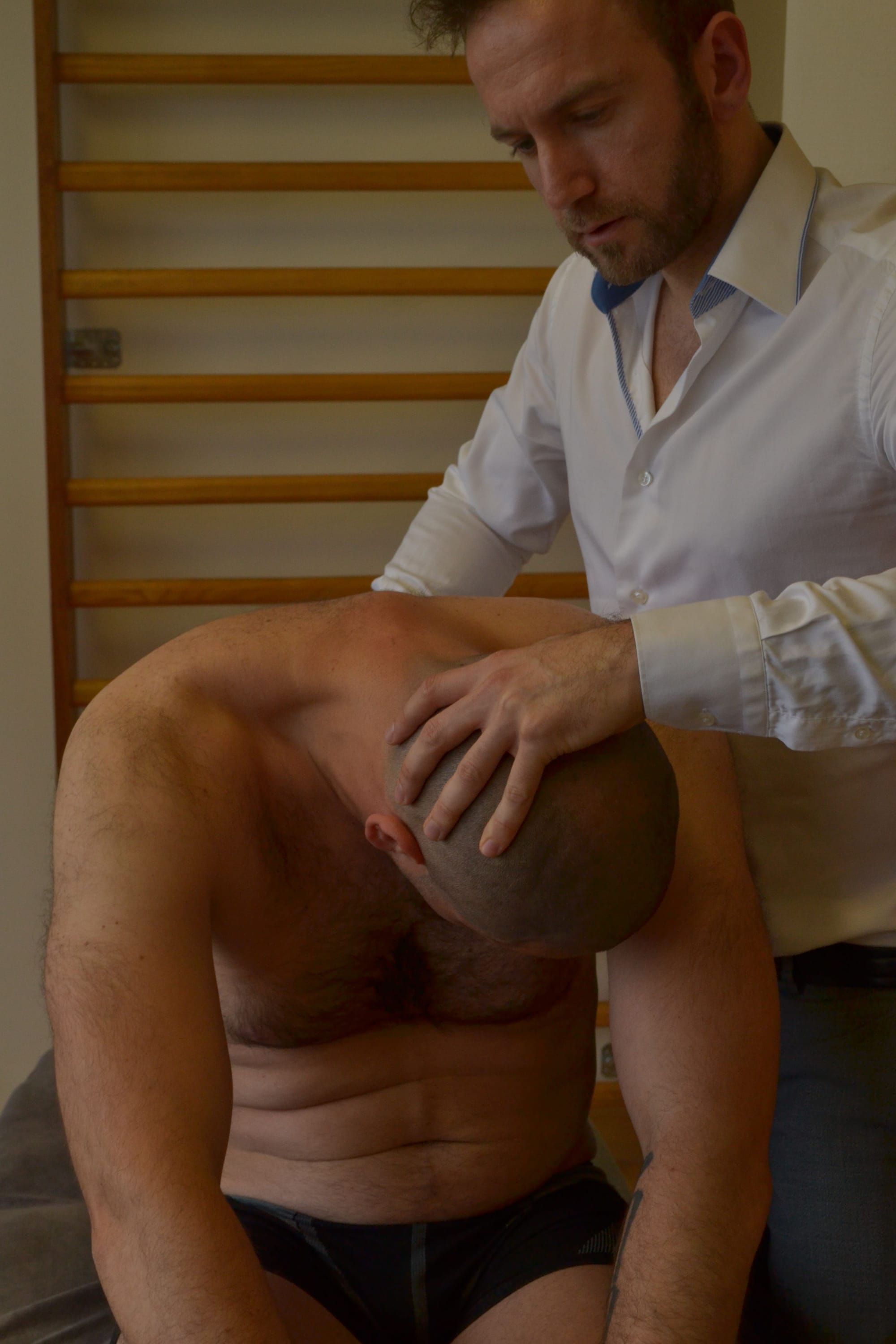
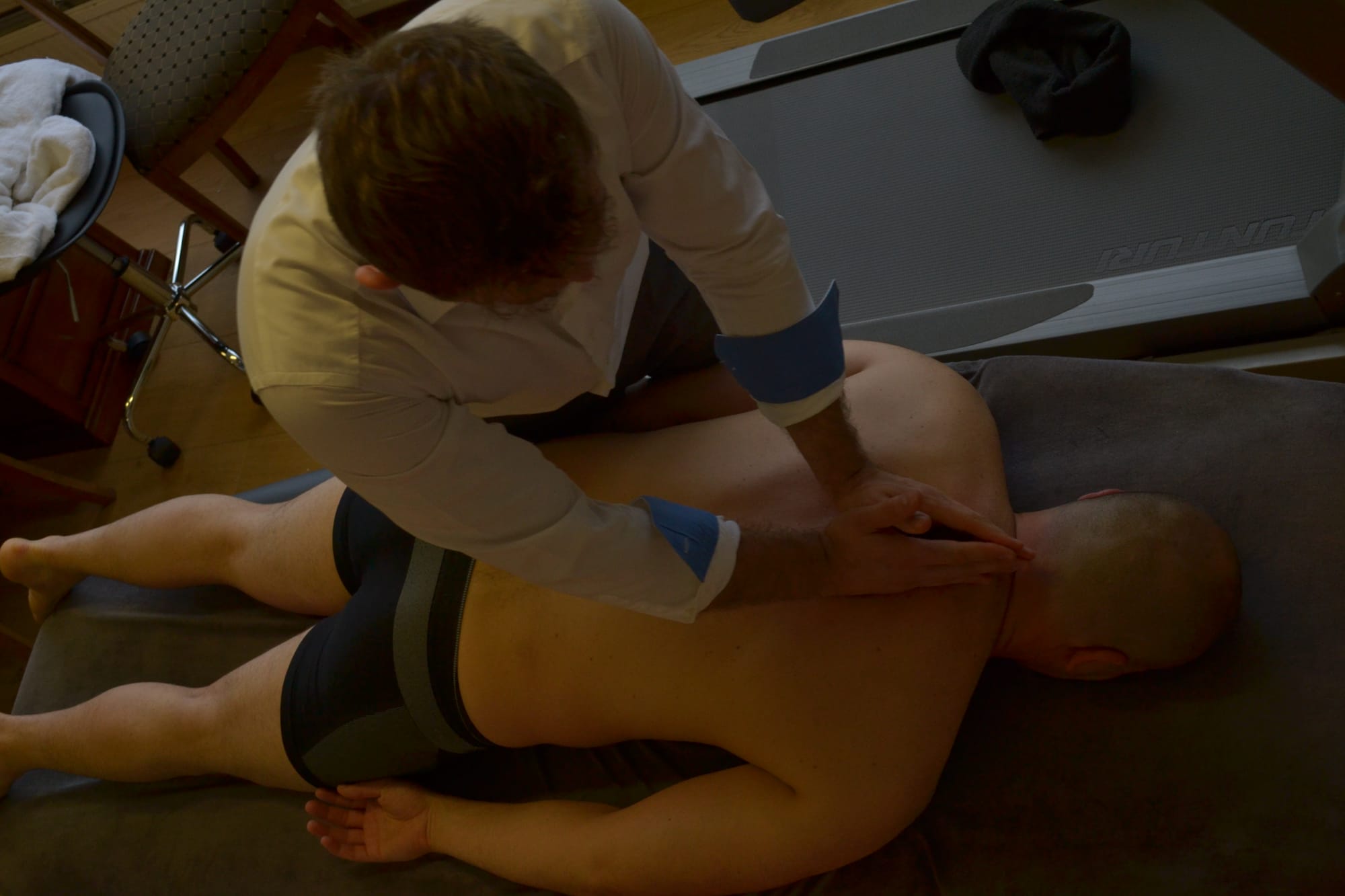
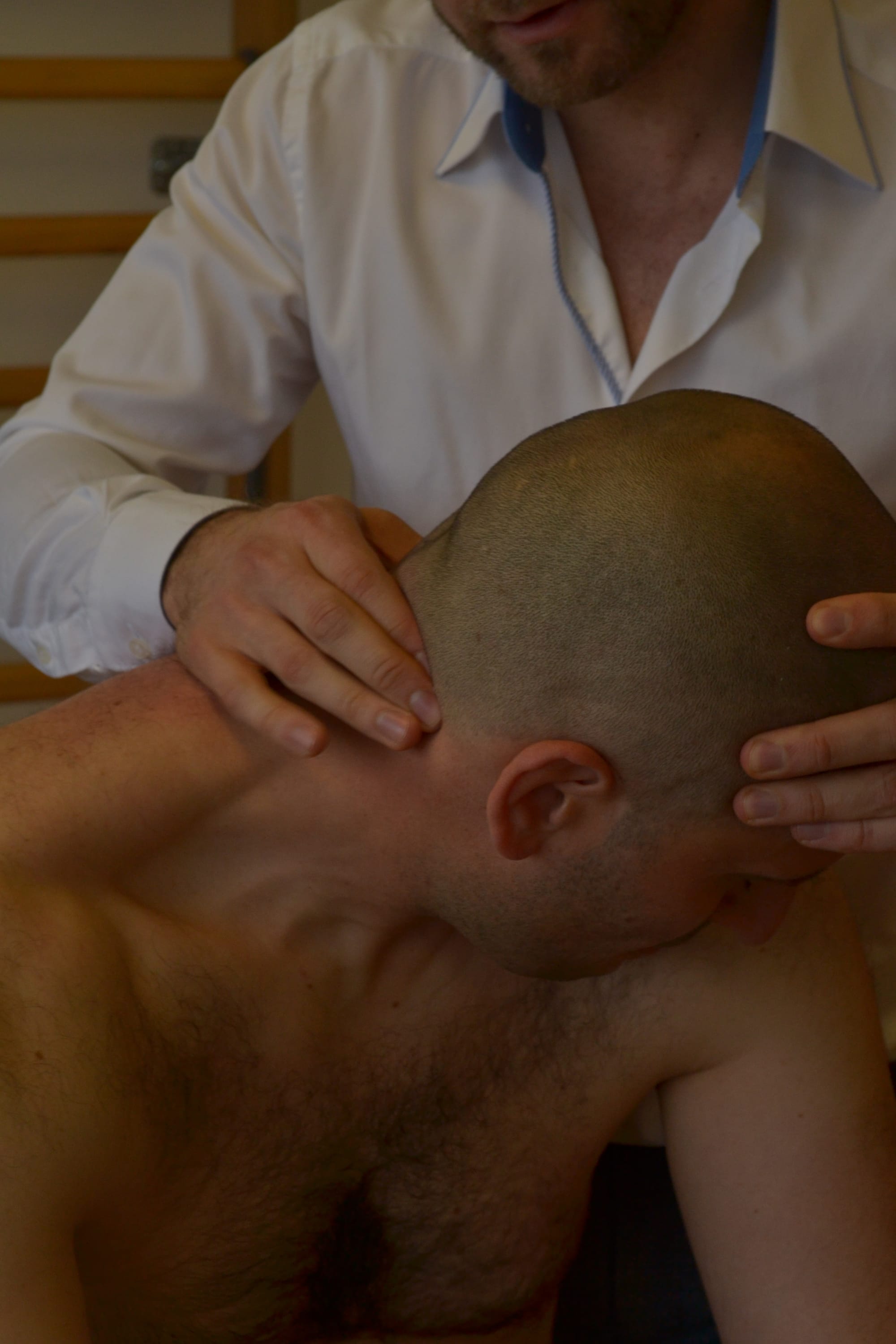
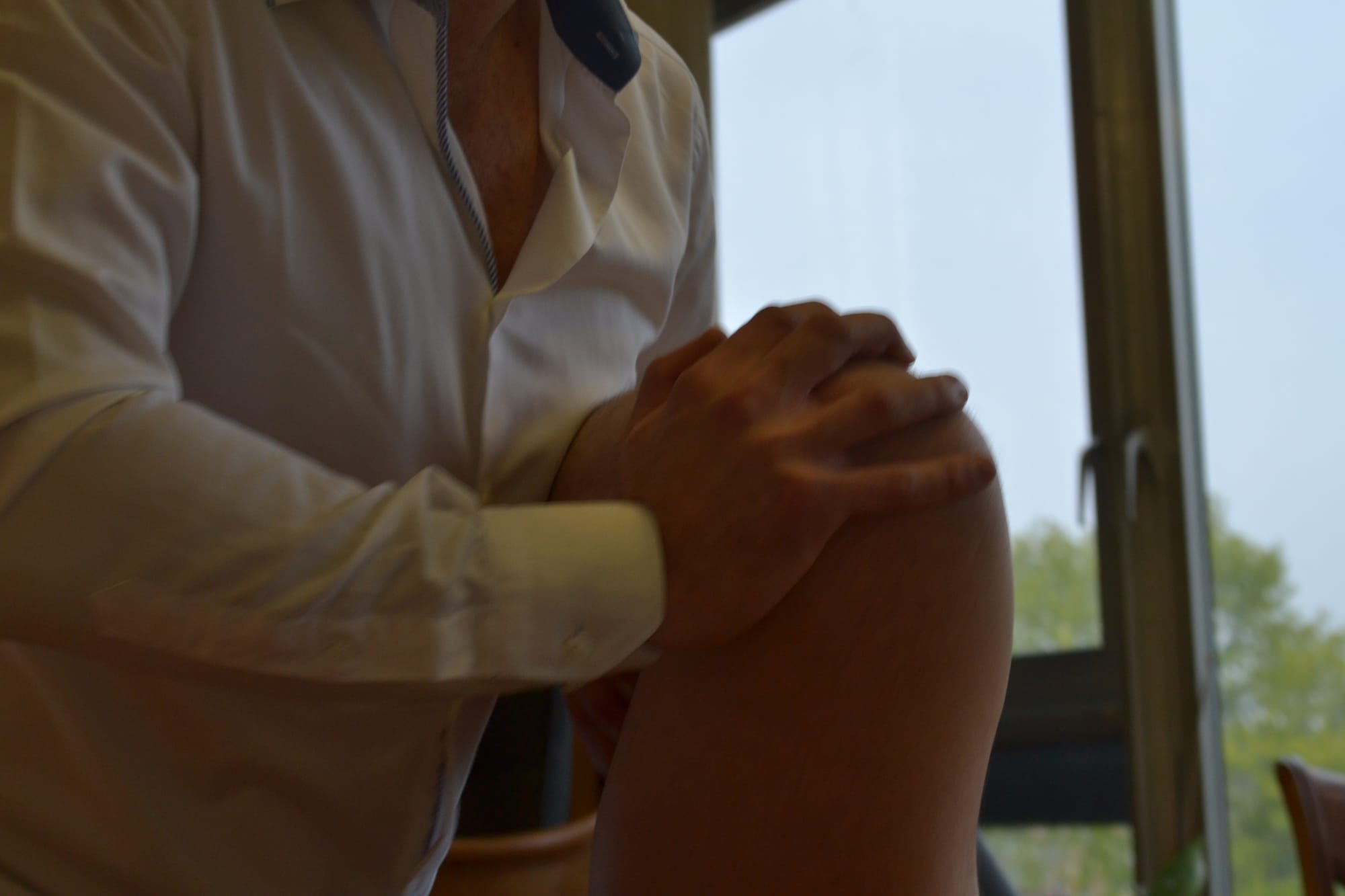
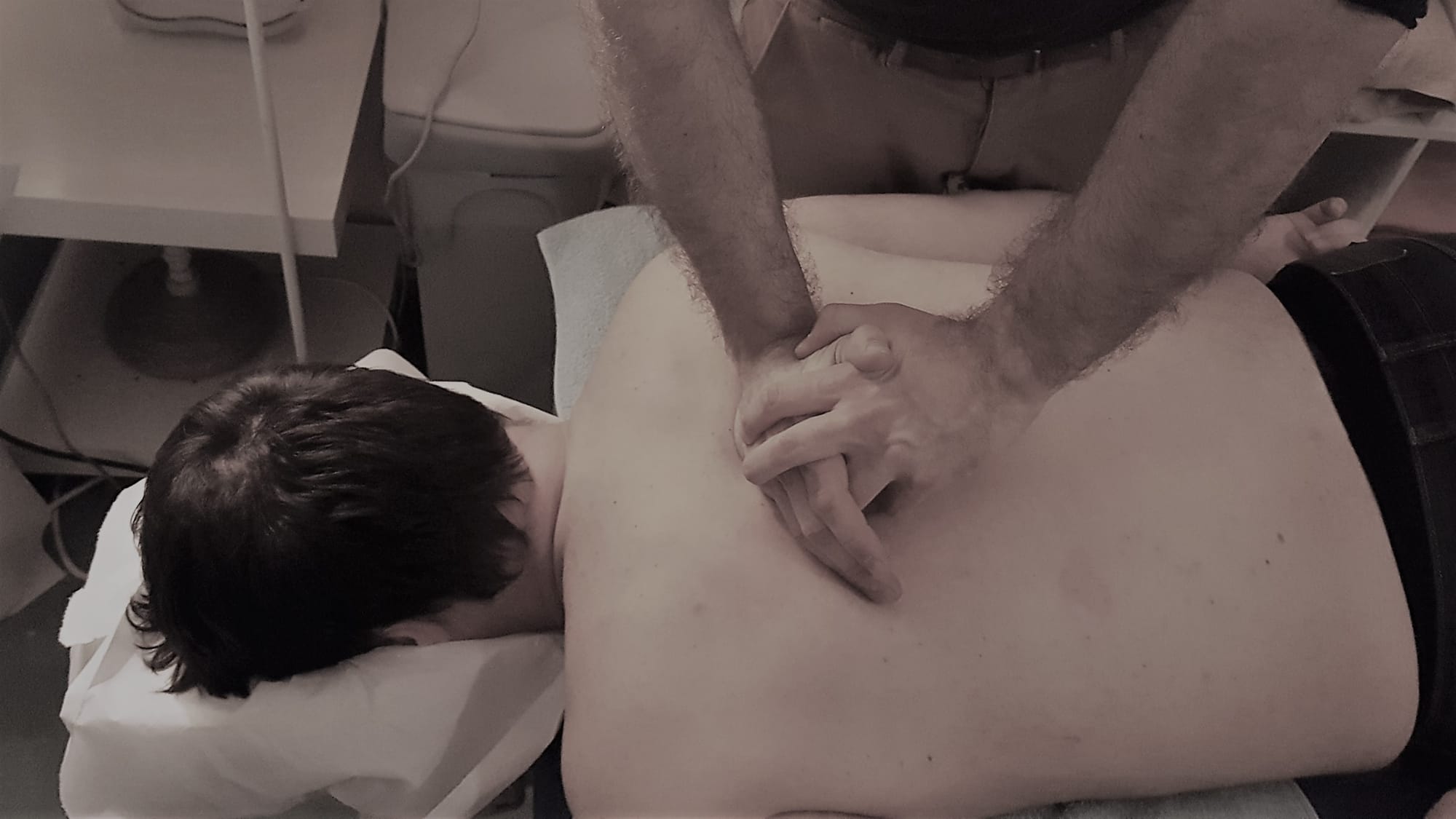
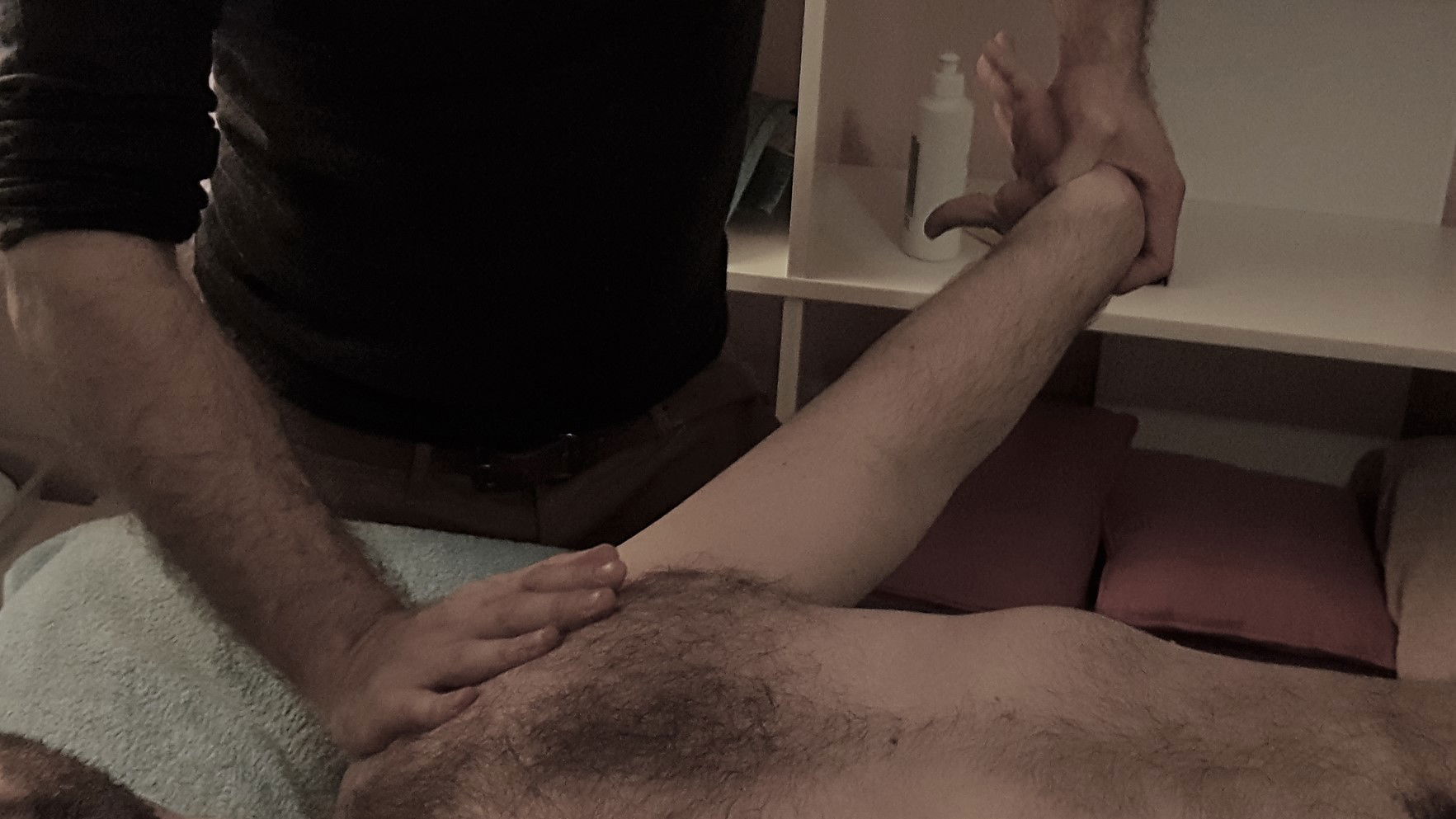
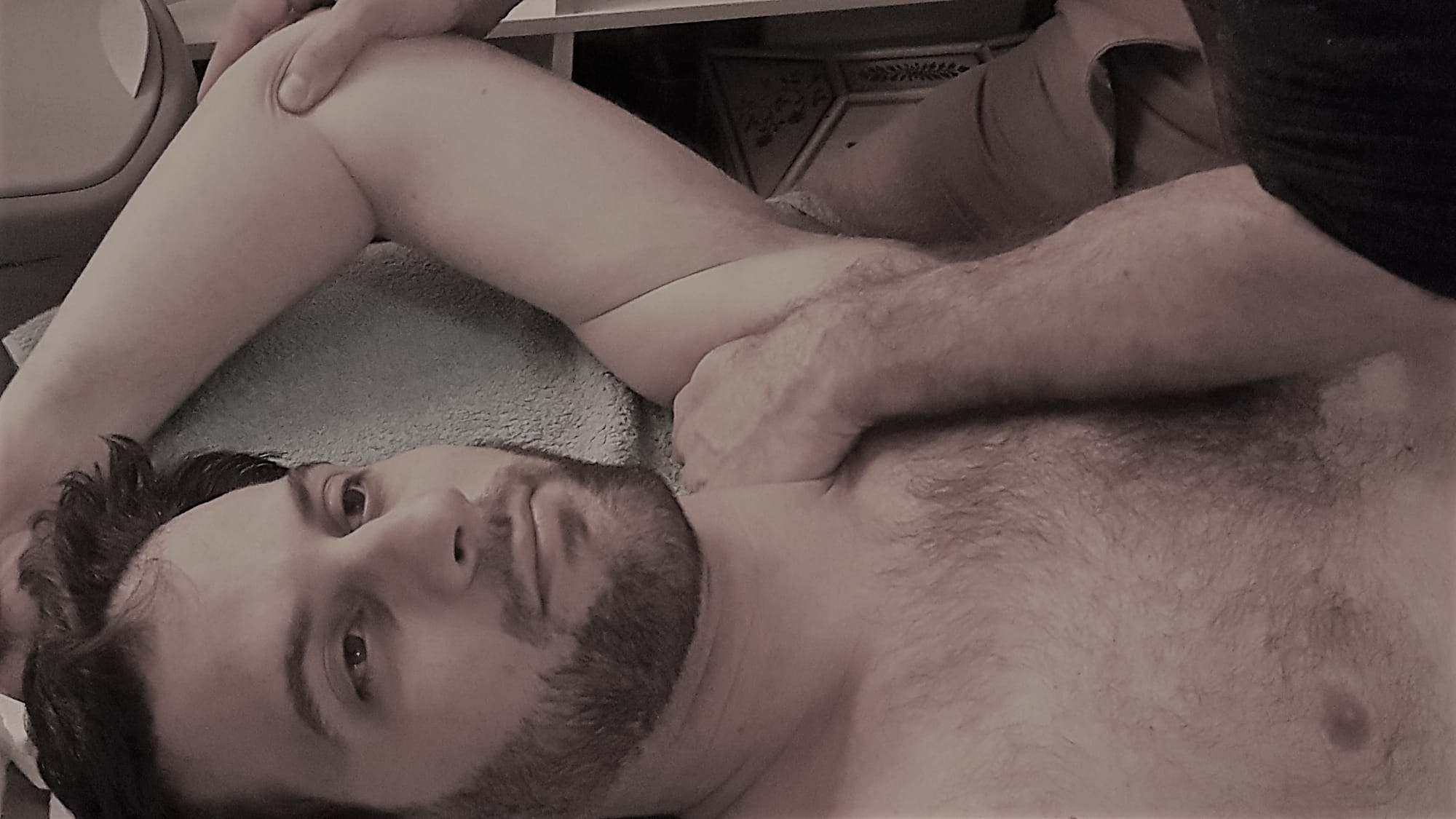
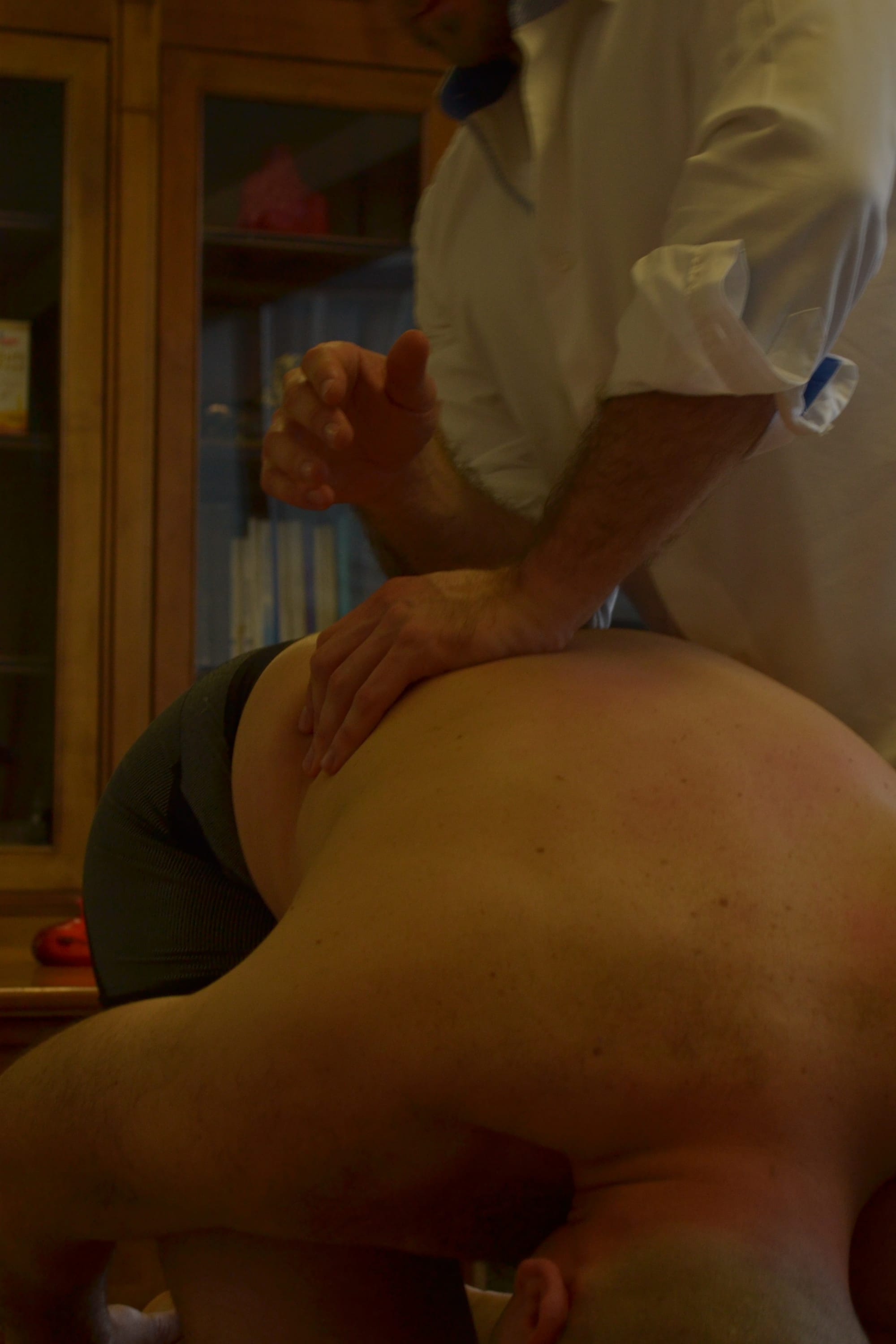
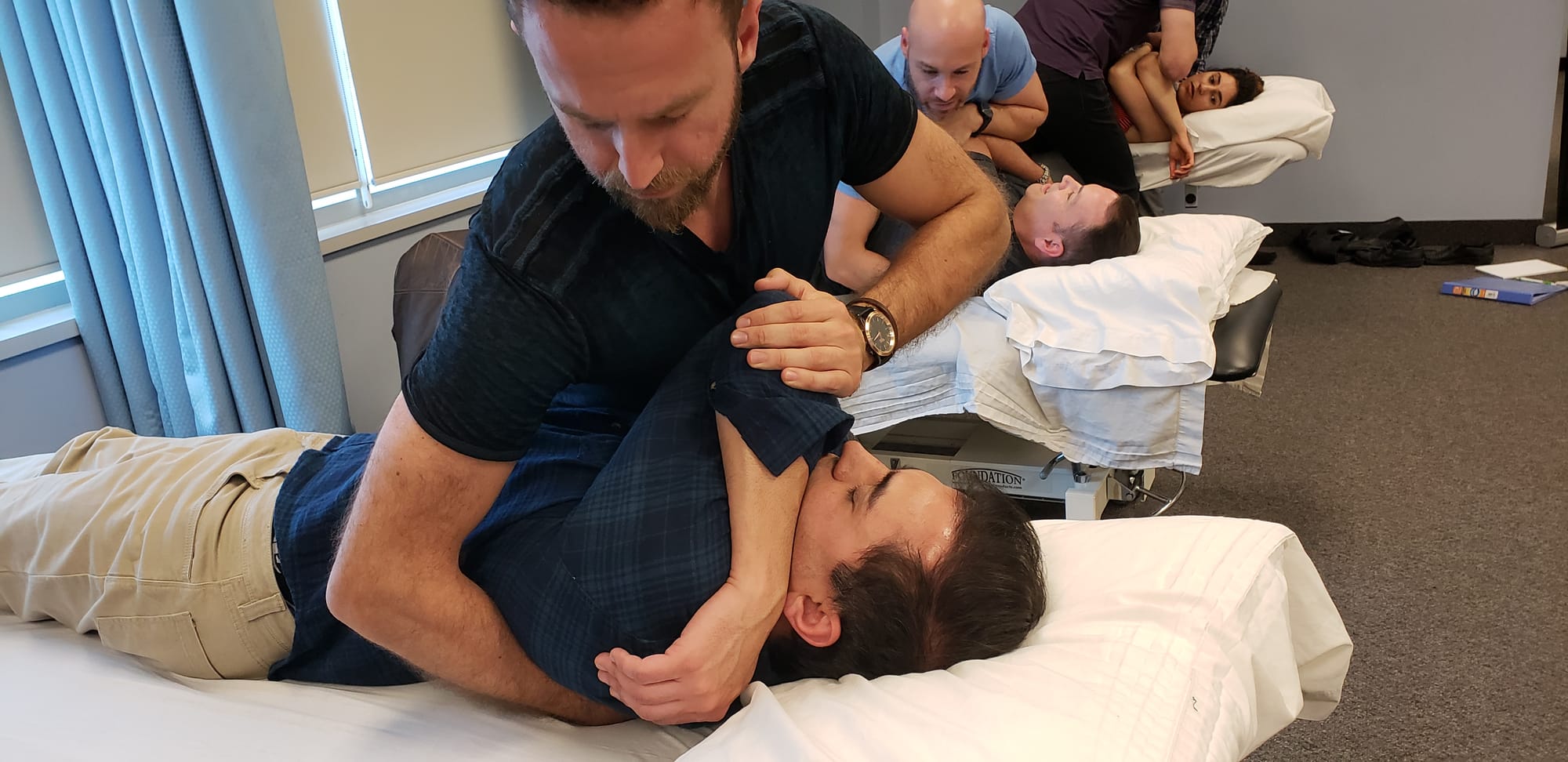
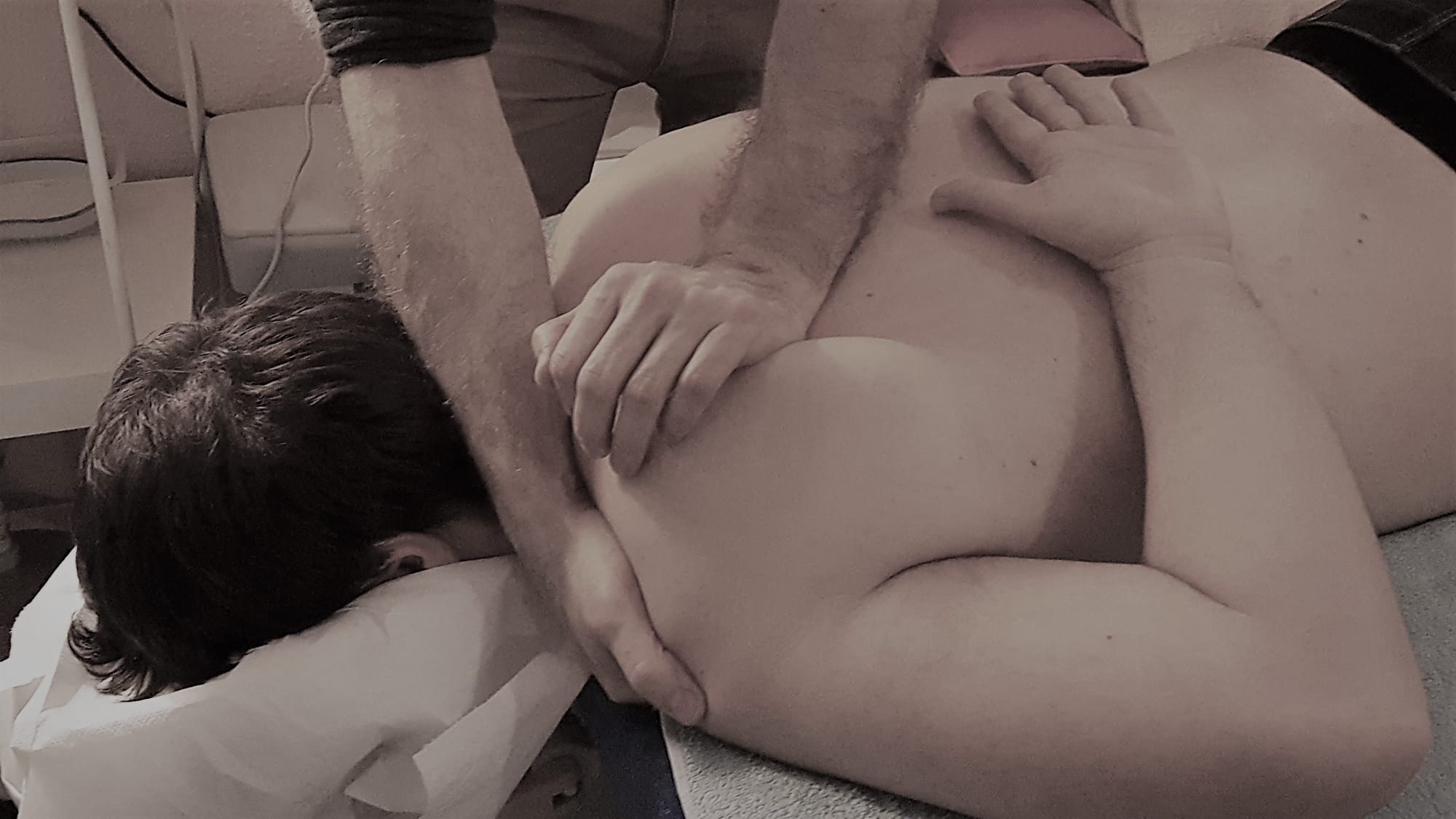
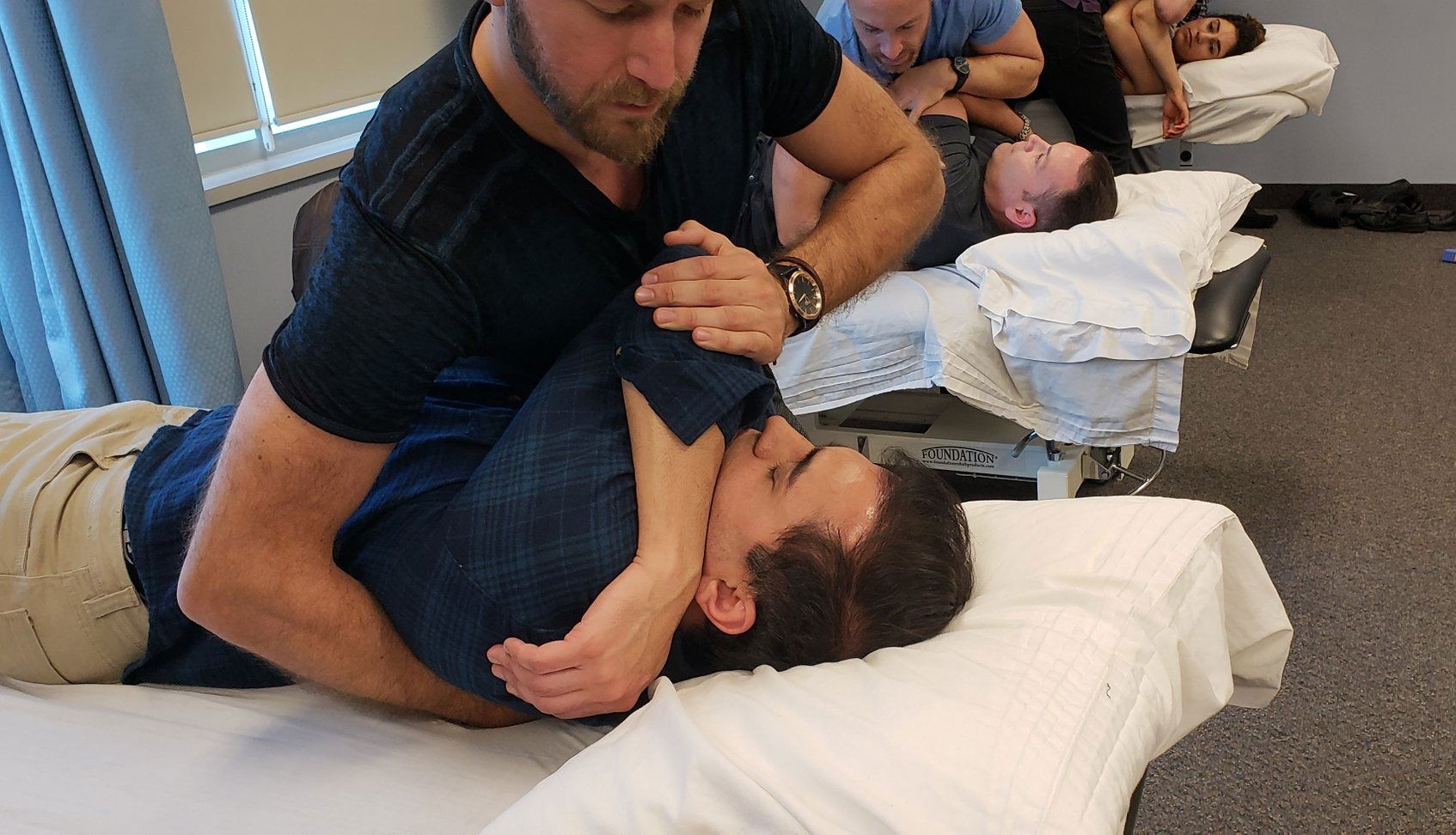
Manual therapy is considered the most effective approach to treat Musculoskeletal Dysfunction. Manual Physical Therapy is any “hands-on” treatment provided by the physical therapist. Treatment may include moving joints in specific directions and at different speeds to regain movement (joint mobilisation and manipulation), muscle stretching, passive movements of the affected body part, or have the patient move the body part against the therapist’s resistance to improve muscle activation and timing. Specific soft tissue techniques may also be used to improve the mobility and function of tissue and muscles. Manual physical therapy treats acute and chronic conditions in body regions including the head, neck, back, arms and legs. When someone suffers from a neuro-musculoskeletal disorder, an exercise and movement re-education program may be all that is needed to restore the painless movement, function, and return to full activity. However, in some cases, soft-tissue and joint restrictions are present, which might result in these same exercises or movements being painful or even making the condition worse. In these instances, the therapist can provide hands-on techniques to improve mobility, reduce pain, and restore normal function of the soft tissues and joints. Following these interventions, the manual therapist can prescribe and implement the most effective individualised exercise and movement re-education program for maintaining and improving the health.The services of manual physical therapy are recommended if you have muscle, joint or soft tissue conditions that affect movement, strength, posture or cause pain. This not only includes common disorders associated with trauma, post-surgery recovery, poor posture, overuse, athletic injuries, obesity, arthritis, or congenital conditions, but also disability associated with conditions such as Parkinson’s disease, multiple sclerosis, cerebral palsy, spinal cord injury, diabetes, cancer, heart disease or balance disorders. Patients suffering from chronic conditions can benefit from skilled manual therapy intervention with the goal of attaining optimal health, returning to optimal activity and minimizing disability associated with the disease progression.
Thérapie par ondes de choc
Shockwave therapy
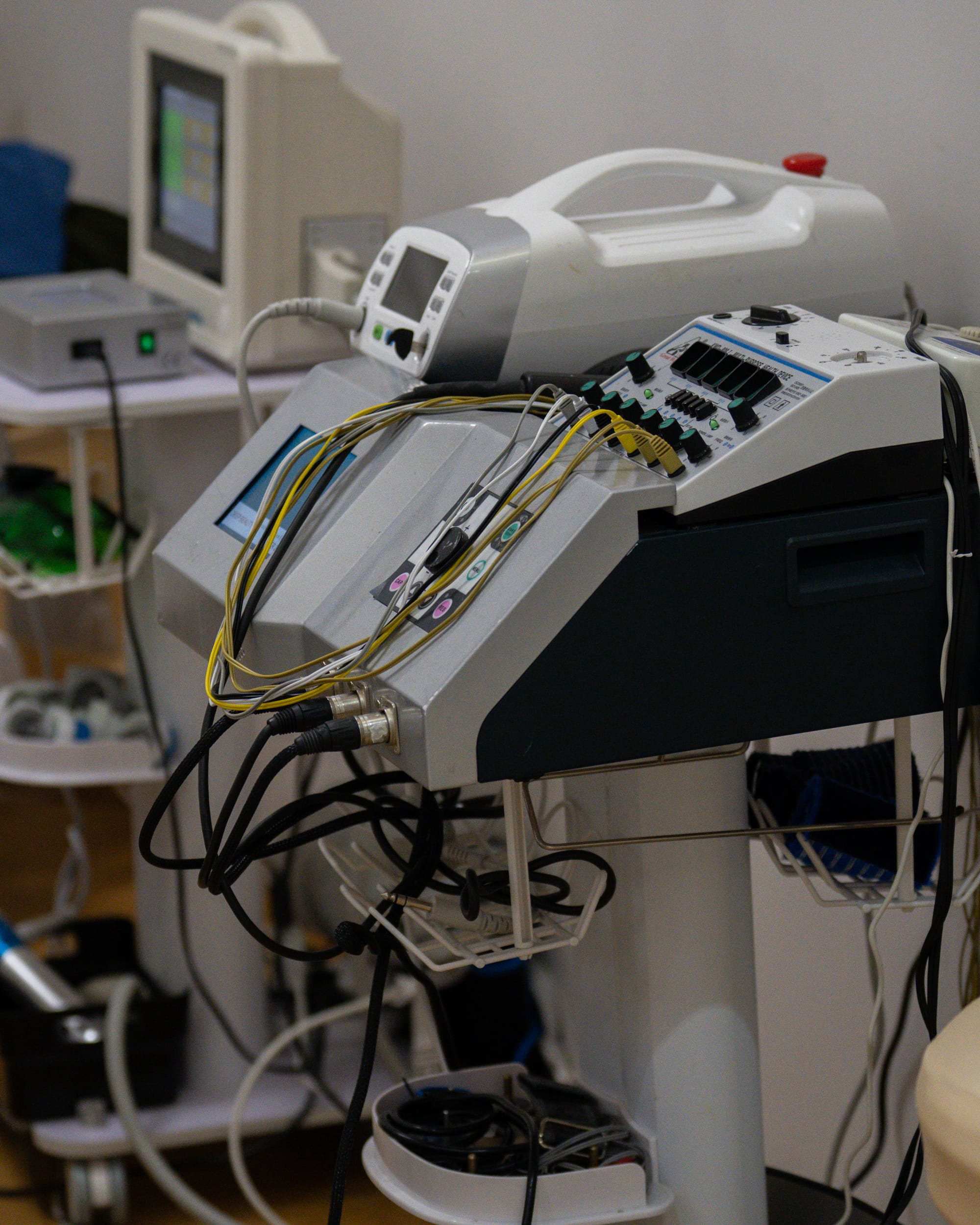
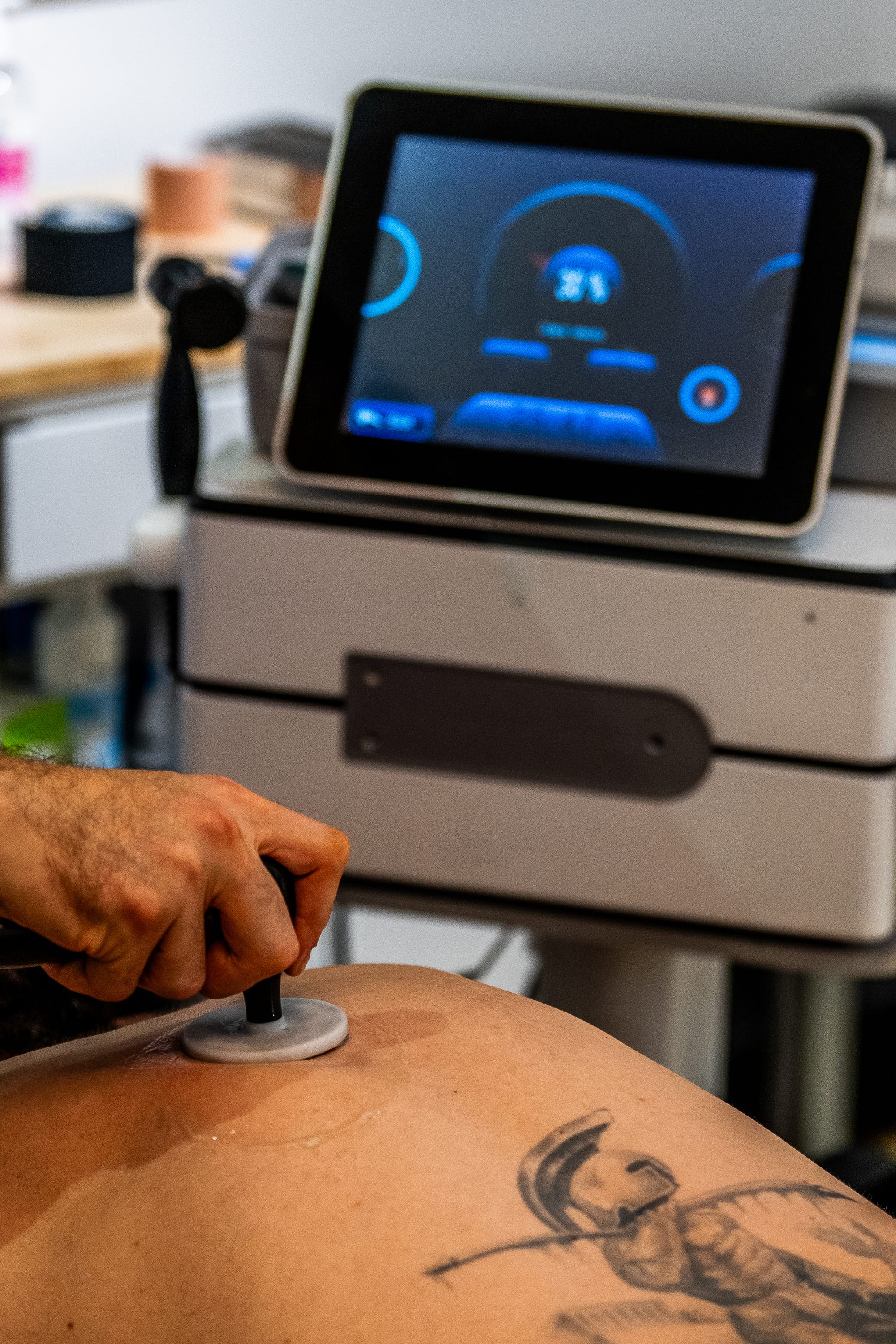
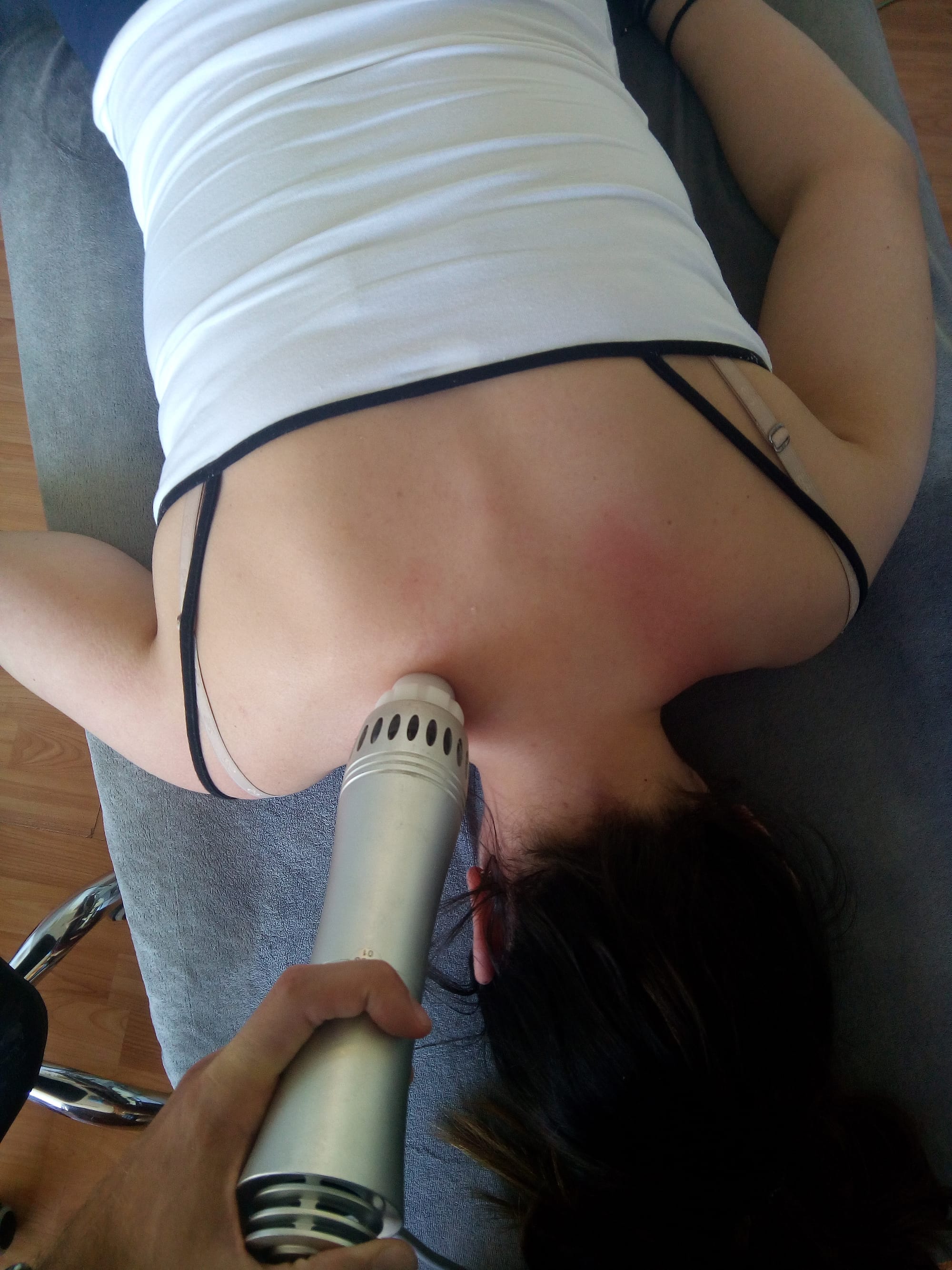
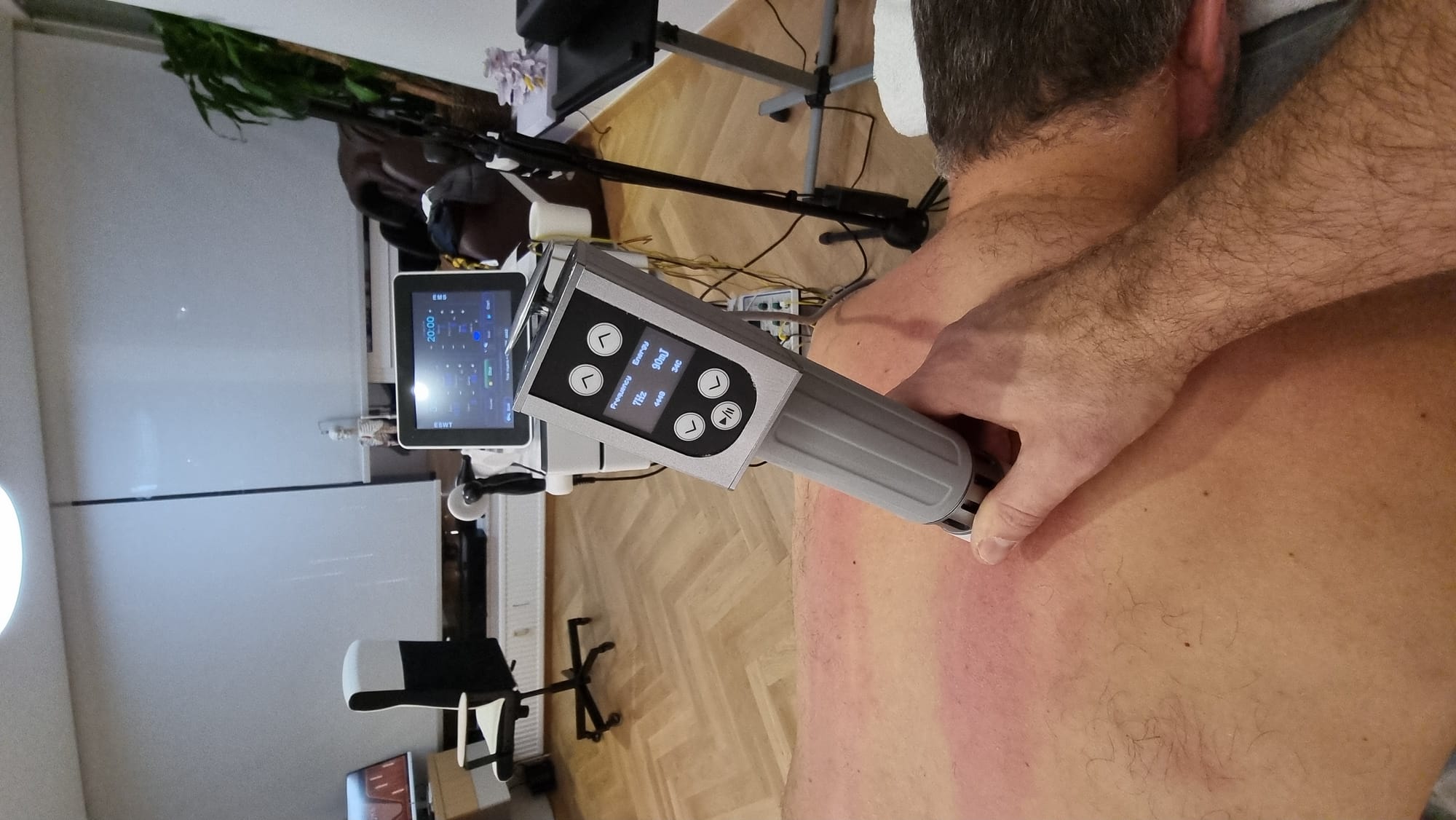
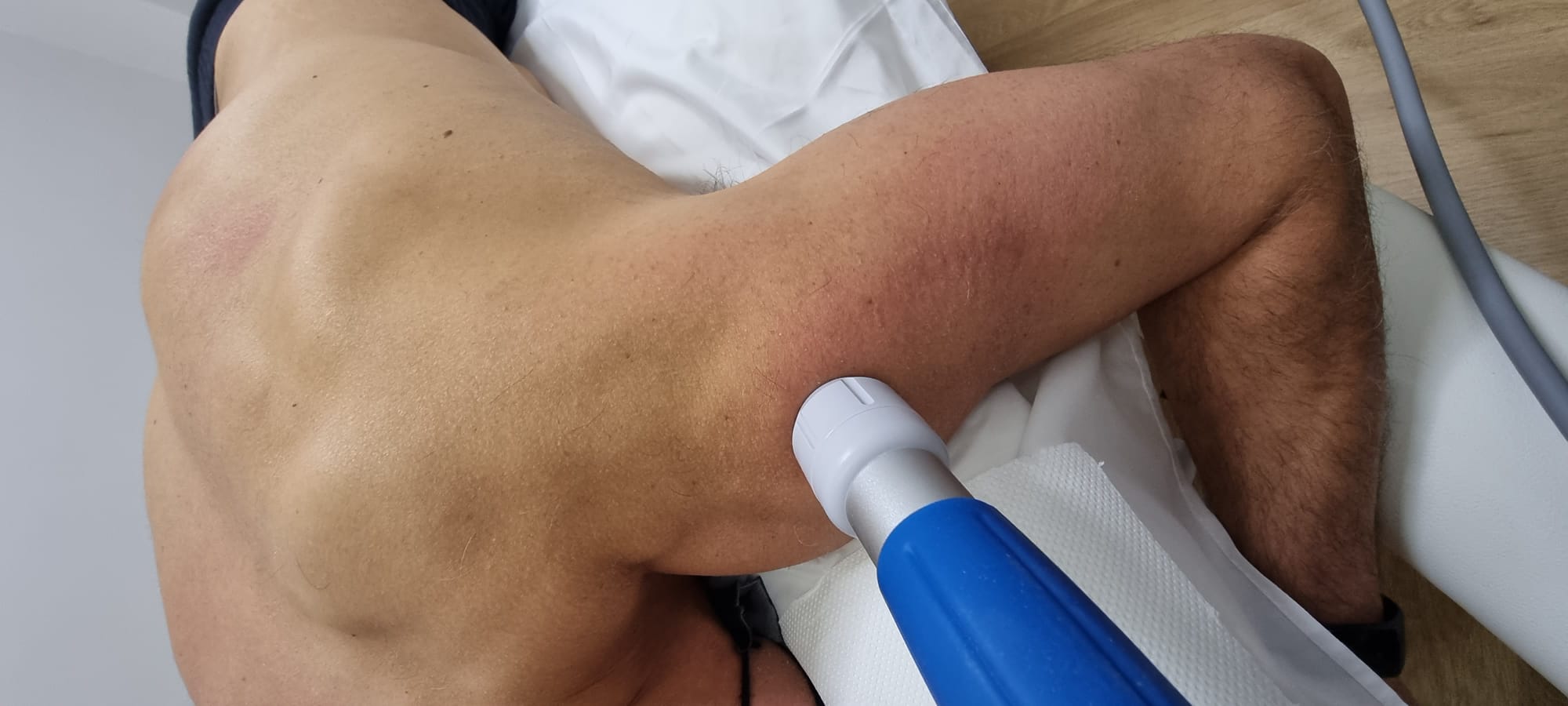
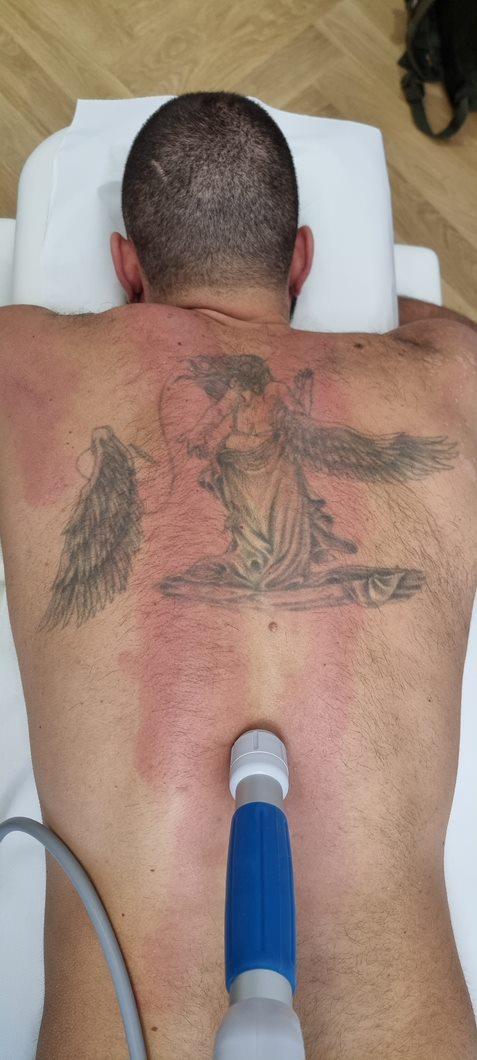
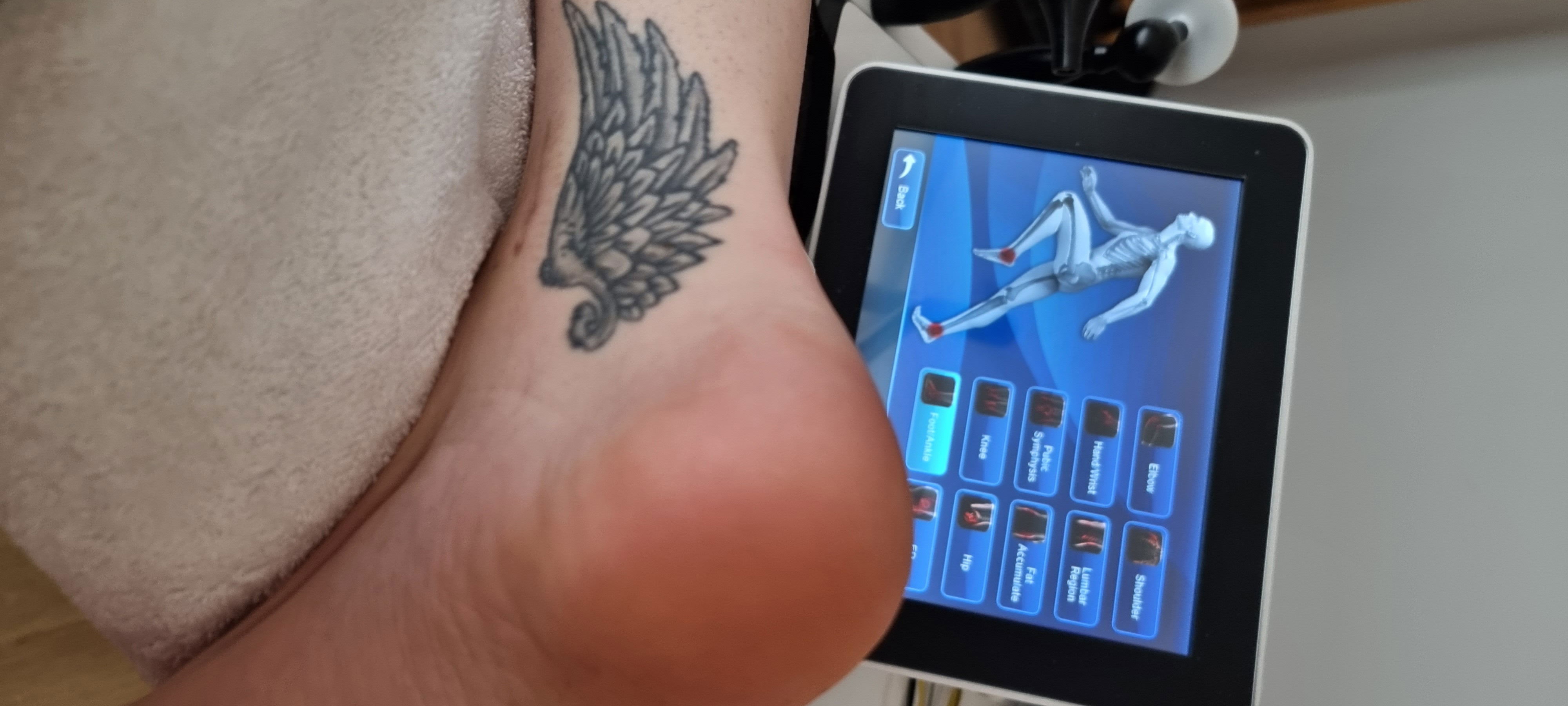
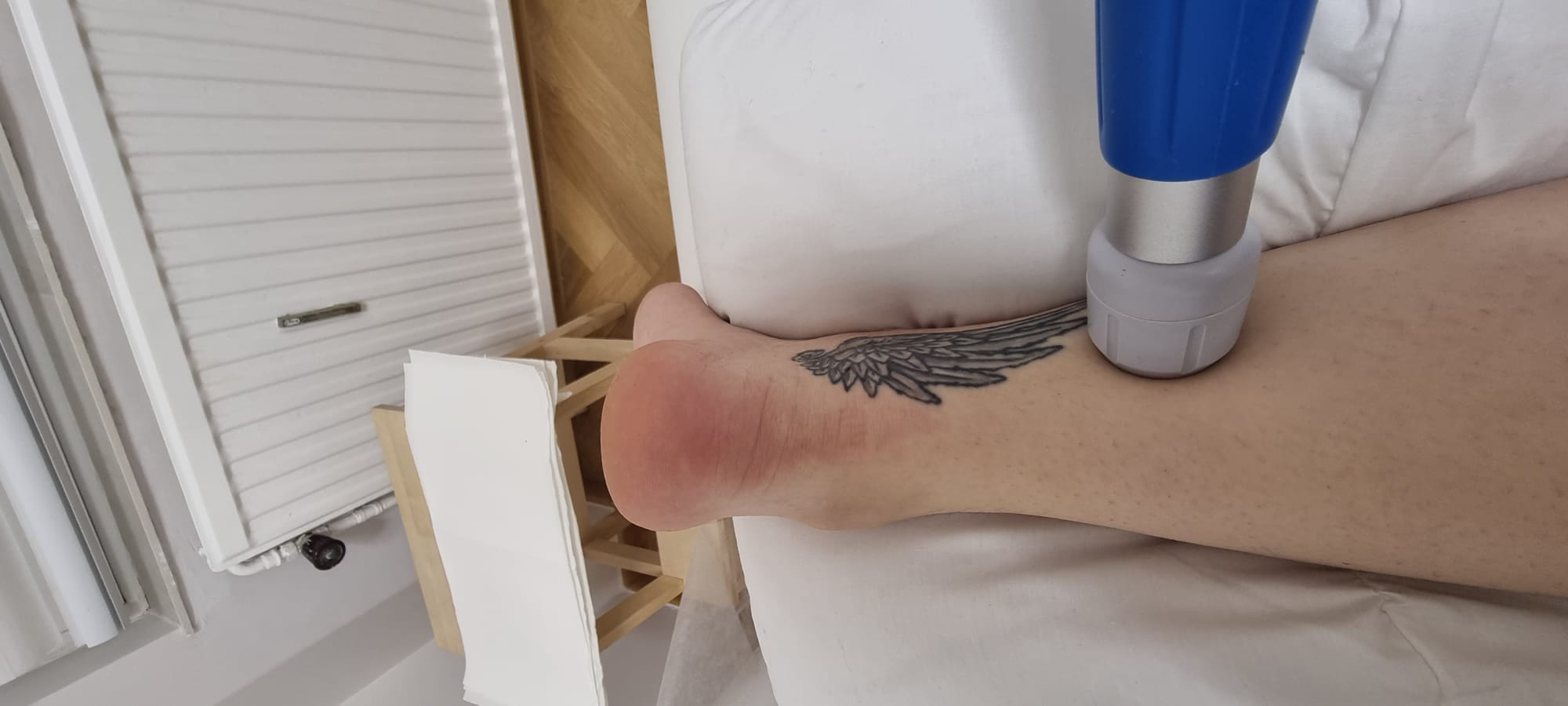
Shockwave therapy works by sending a mechanically-pressured pulse into the human body, This pulse passes through the body in the form of a wave. These shockwaves are acoustic waves with extremely high energy peaks. These types of shock waves are similar to the waves that occur in the atmosphere due to lightning or a sonic boom. However, shockwave therapy differs from ultrasound therapy. Ultrasound therapy uses a low-pressure amplitude with periodic oscillations, whereas shock-wave therapy uses a single pulse.
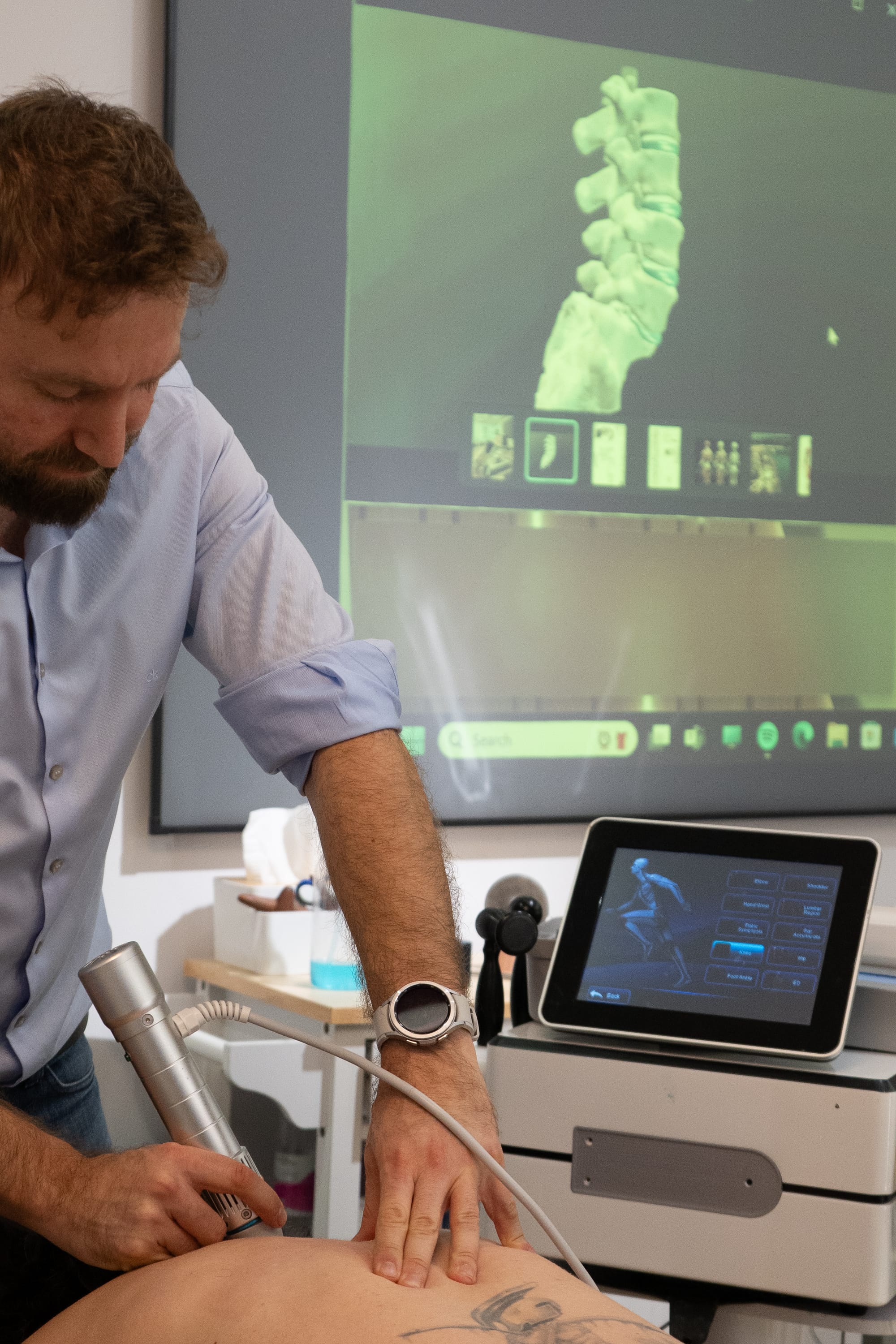
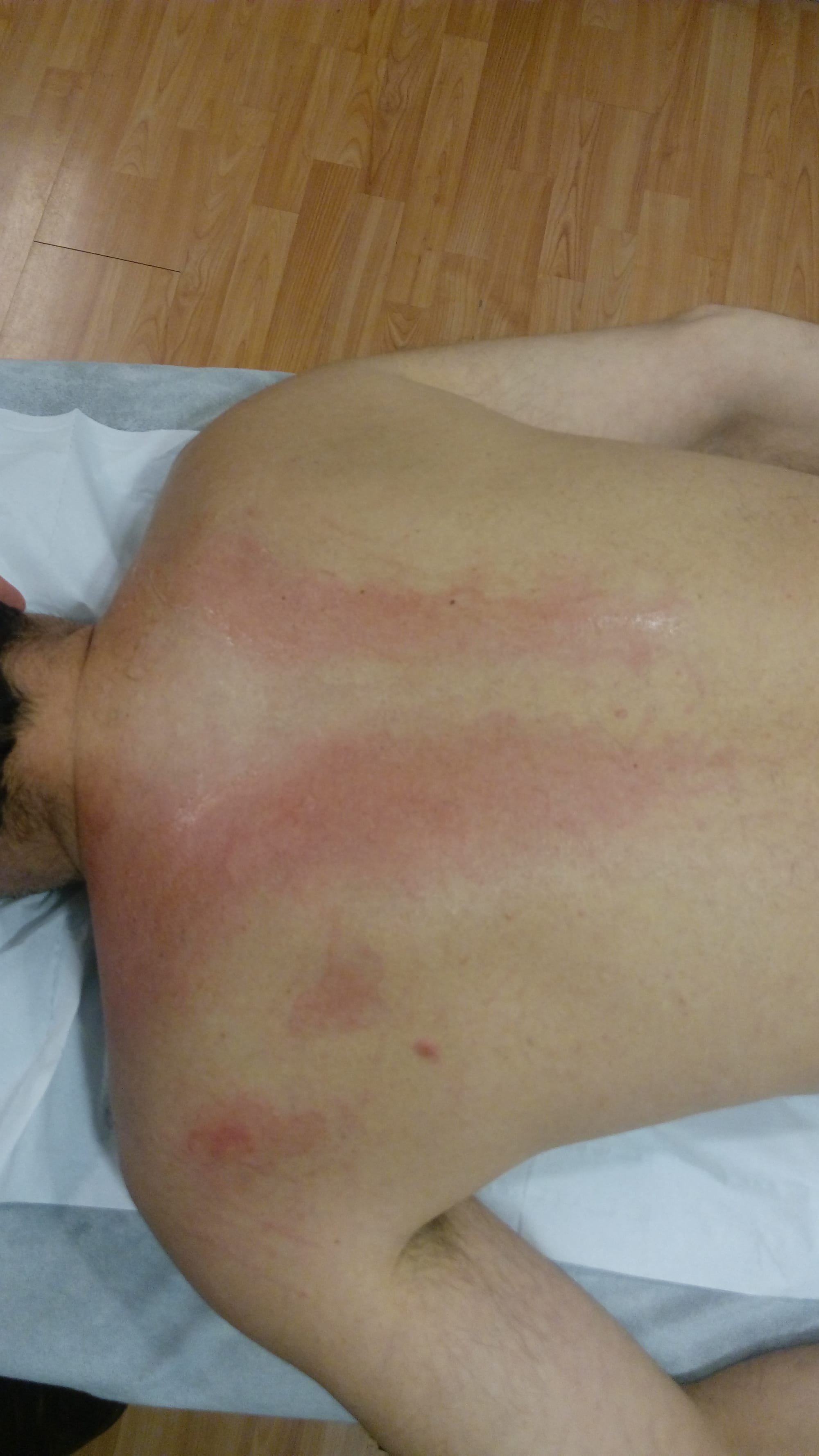
Shockwave therapy is used to treat a variety of medical conditions, including kidney stones, renal and urethral calculi, epicondylitis, heel-spur, plantar fasciitis, rotator cuff disorders, trigger points and chronic tendinopathies, according to BTL Industries. Bone and tendon injuries both respond positively to shock-wave therapy. Shockwave therapy also stimulates the production of collagen around an injured area. Collagen is necessary to regenerate tissue and promote healing.
Indications
1. Tennis elbow
Painful inflammation of the tendon attachment on the lateral elbow
2. Shoulder pain with or without calcification
Painful limitation of shoulder movement
3. Golfer’s elbow
Painful inflammation of the tendon attachment on the medial elbow
4. Bursitis trochanterica
Painful periostitis of the hip
5. Patella tip syndrome
Inflammation of the tibial edge due to excessive strain
6. Tibial edge syndrome
Inflammation of the tibial edge due to excessive strain
7. Achillodynia
Painful irritation of the Achilles tendon
8. Painful heel
Painful, mostly chronic inflammation of the heel
9. Inflammation of the tendon attachment
Painful inflammation of tendon attachments due to overexertion or improper strain, or due to degenerative processes
10. Painful trigger points
Acute and chronic pain in the back, shoulder , neck, etc. due to permanently shortened and thickened muscles.
Acupunture médicale et électro-acupunture

Medical Acupunture
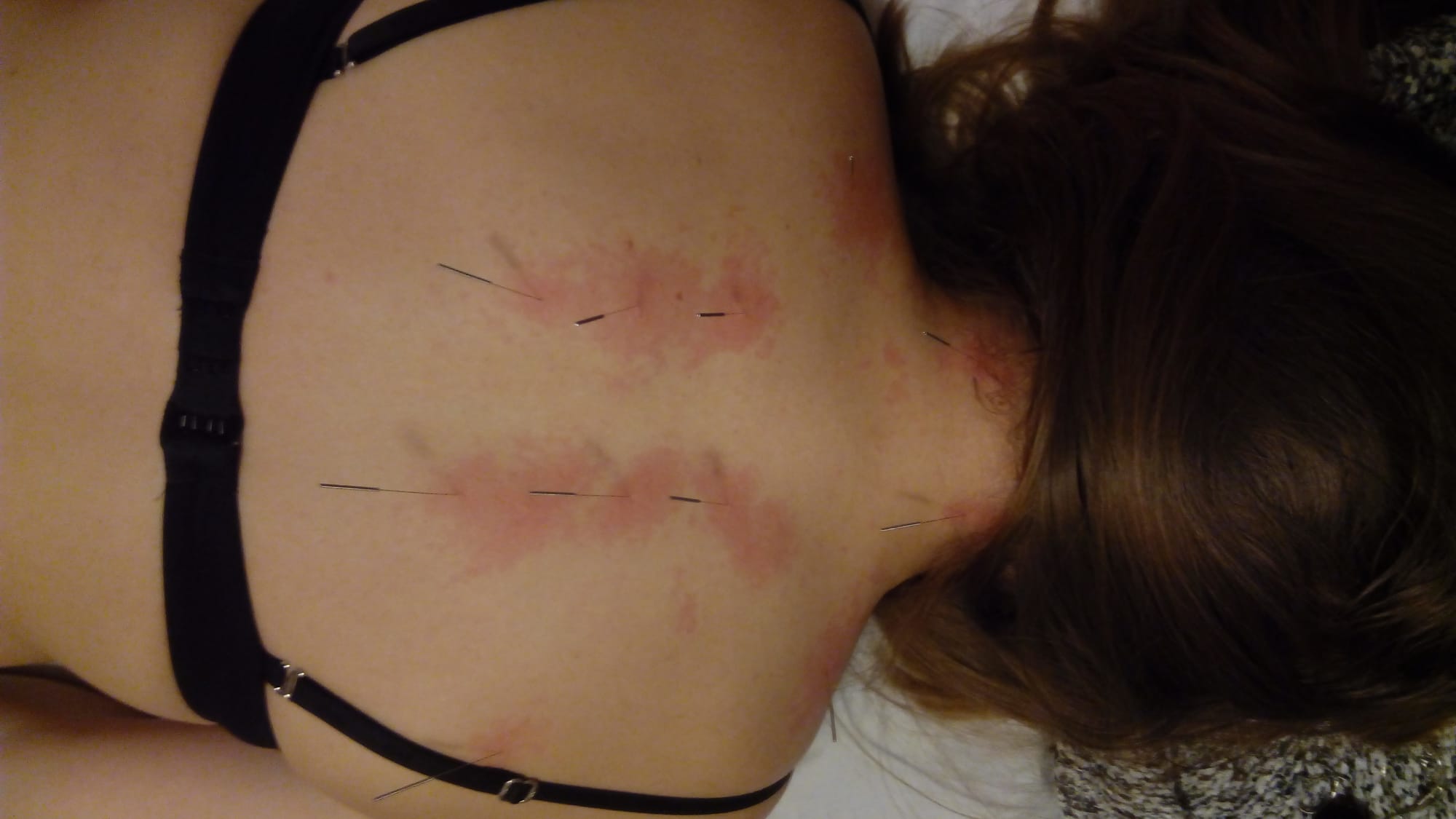
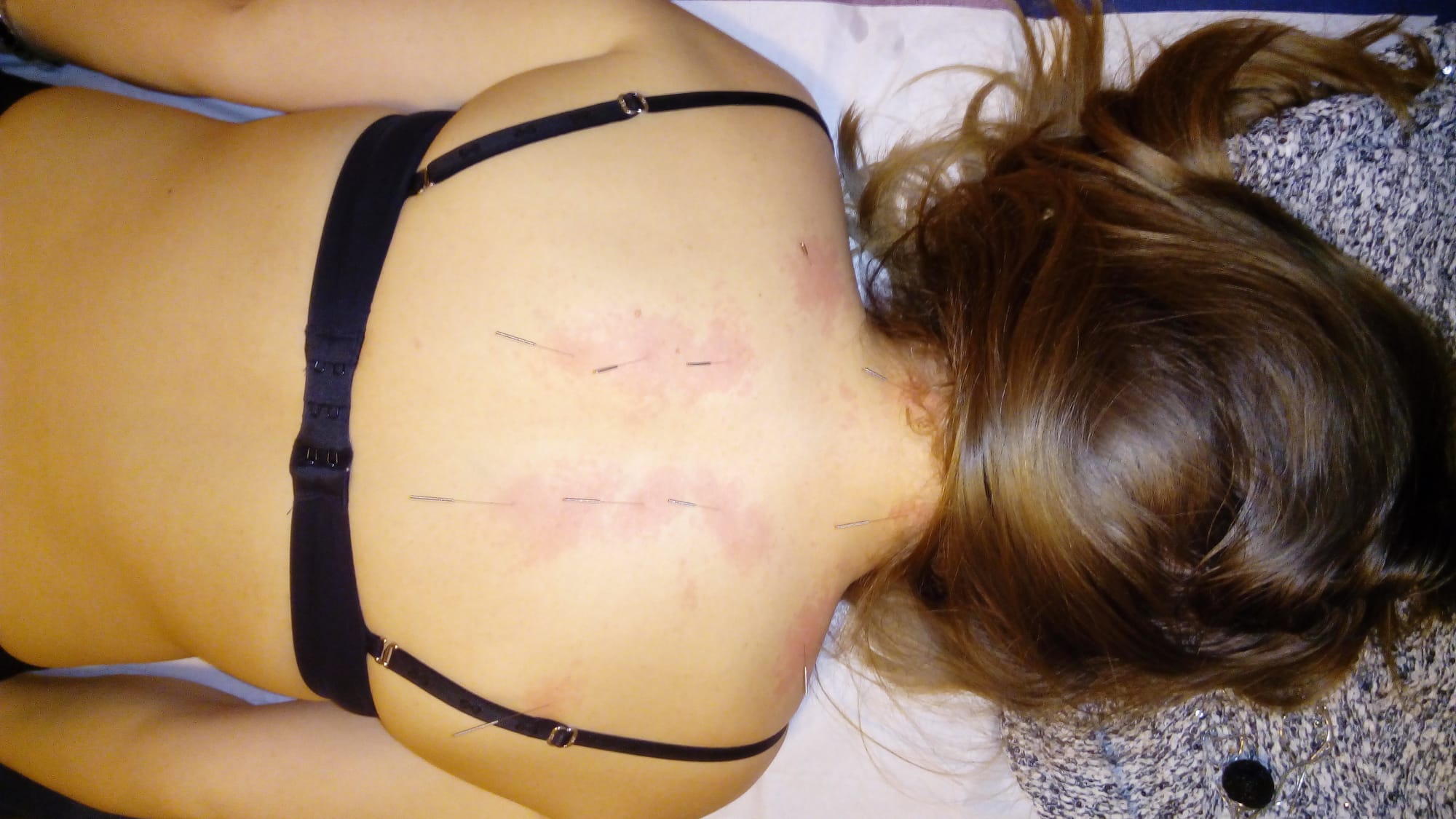
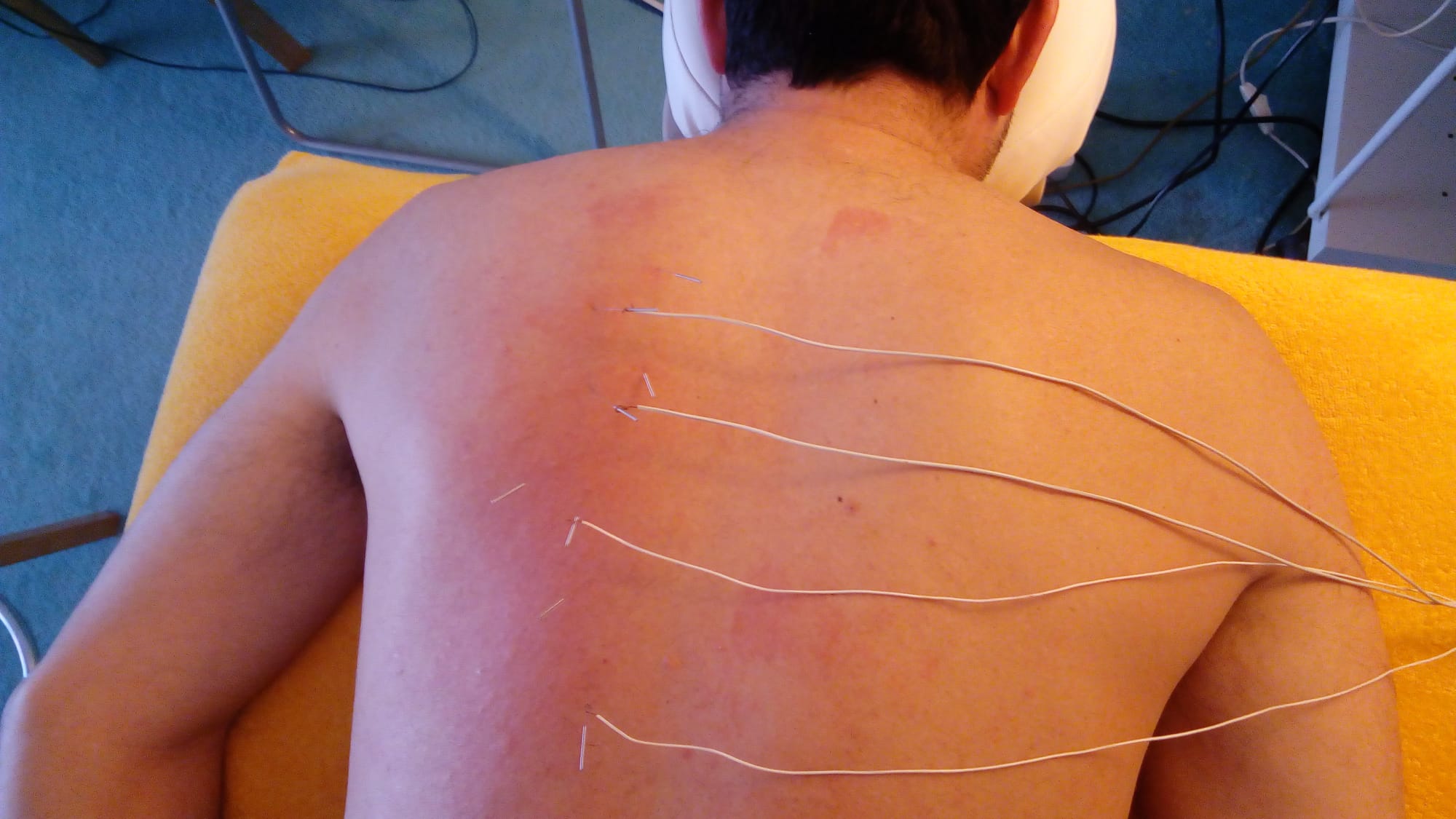
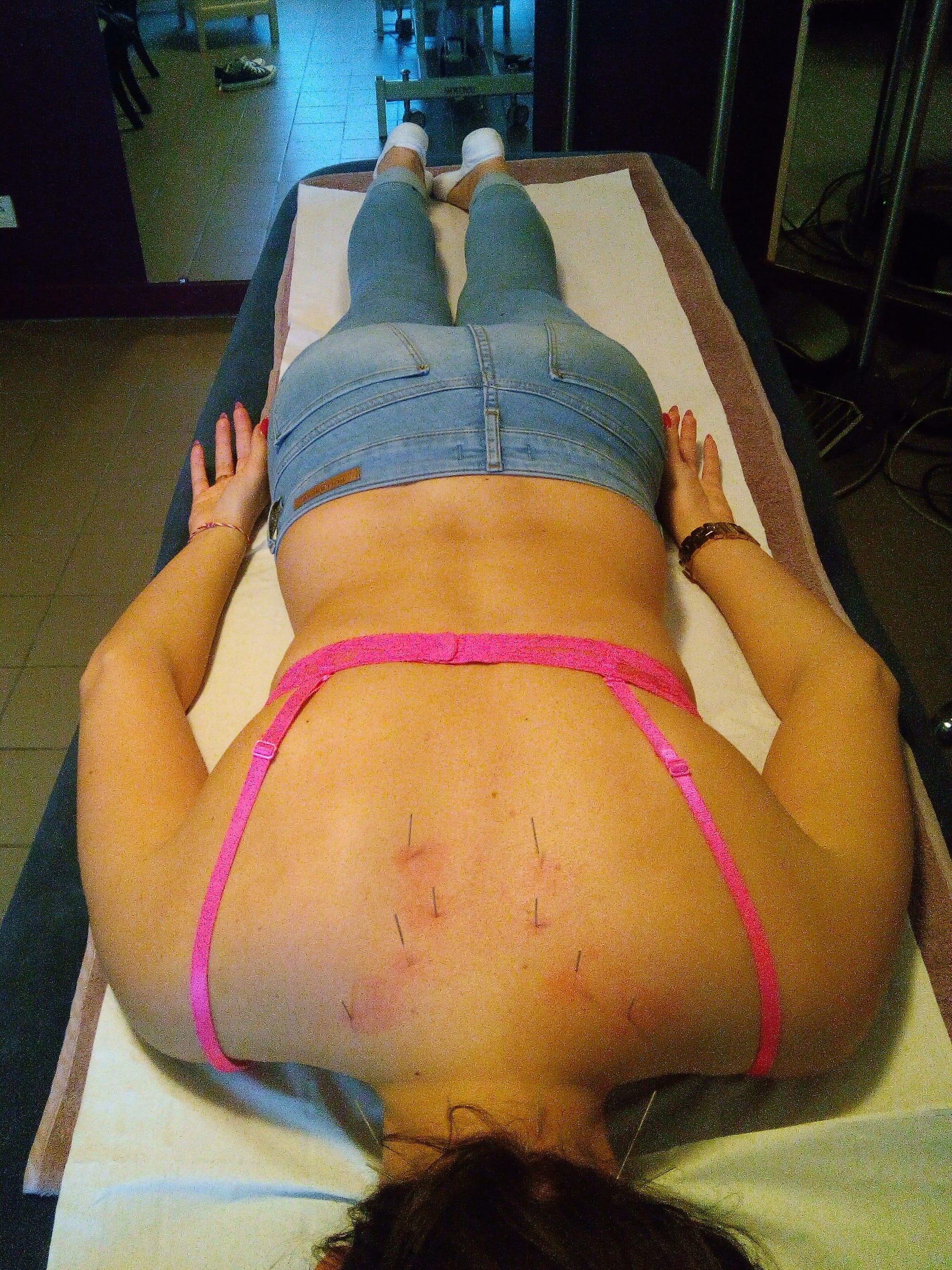
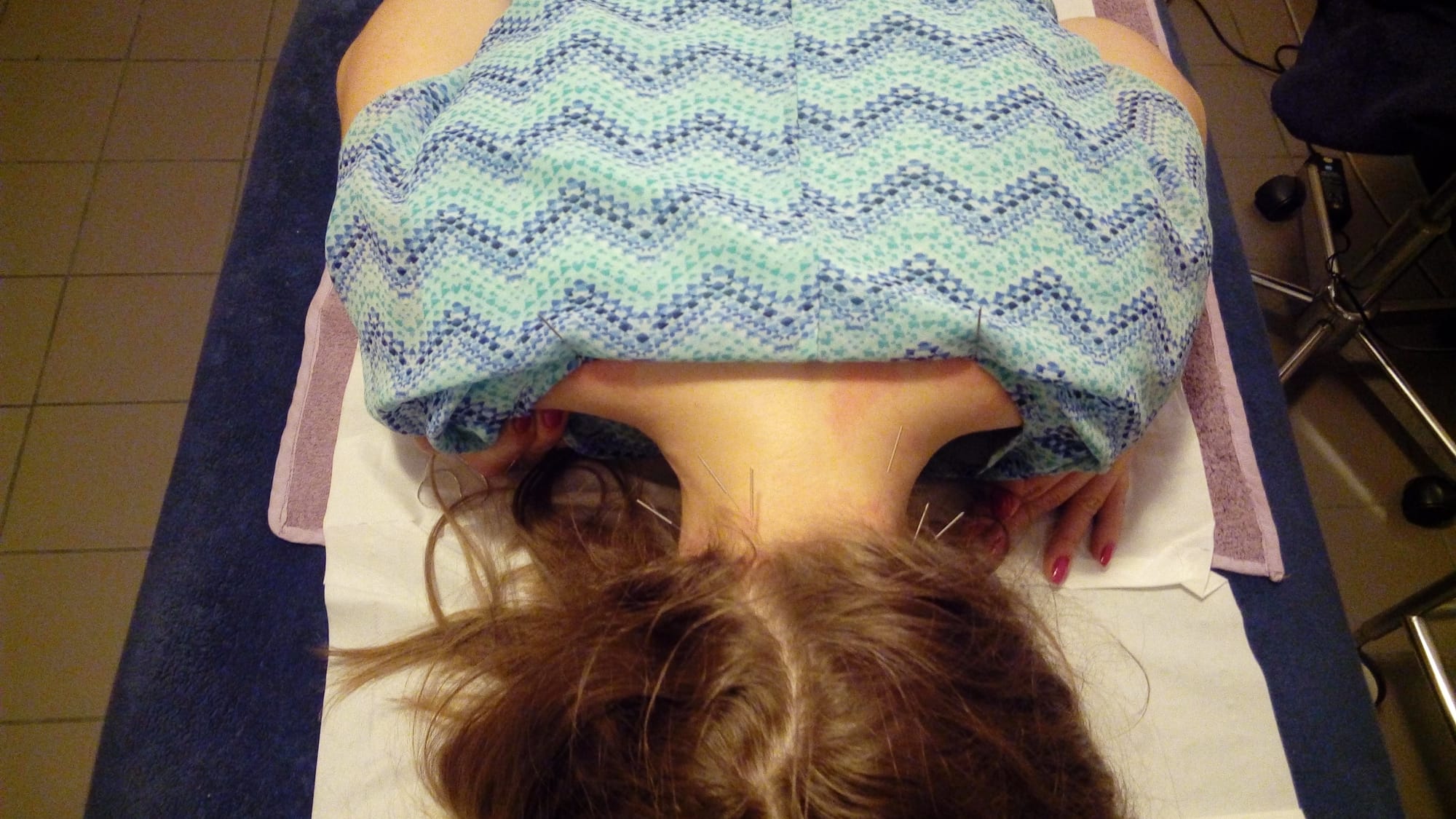
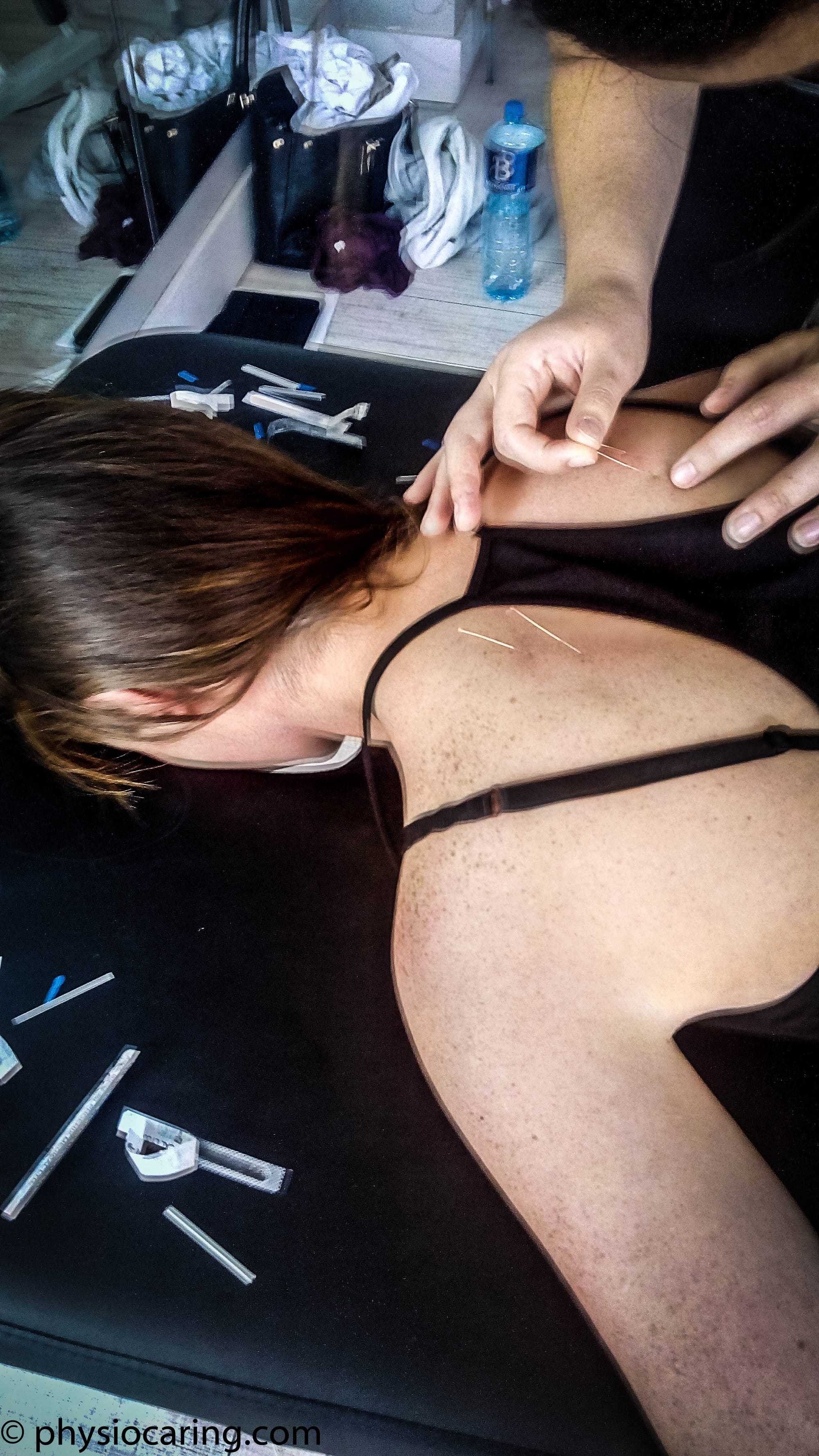
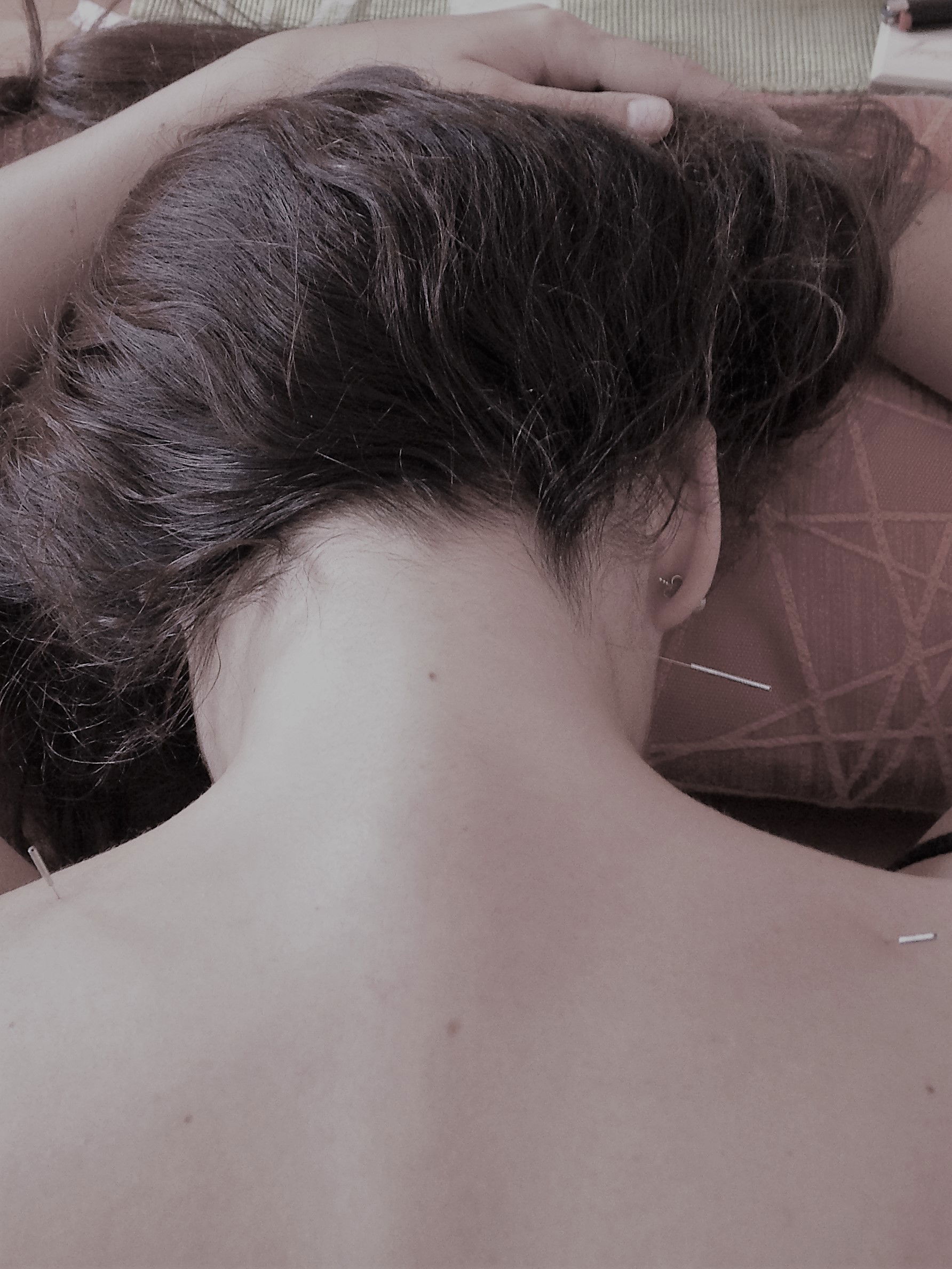
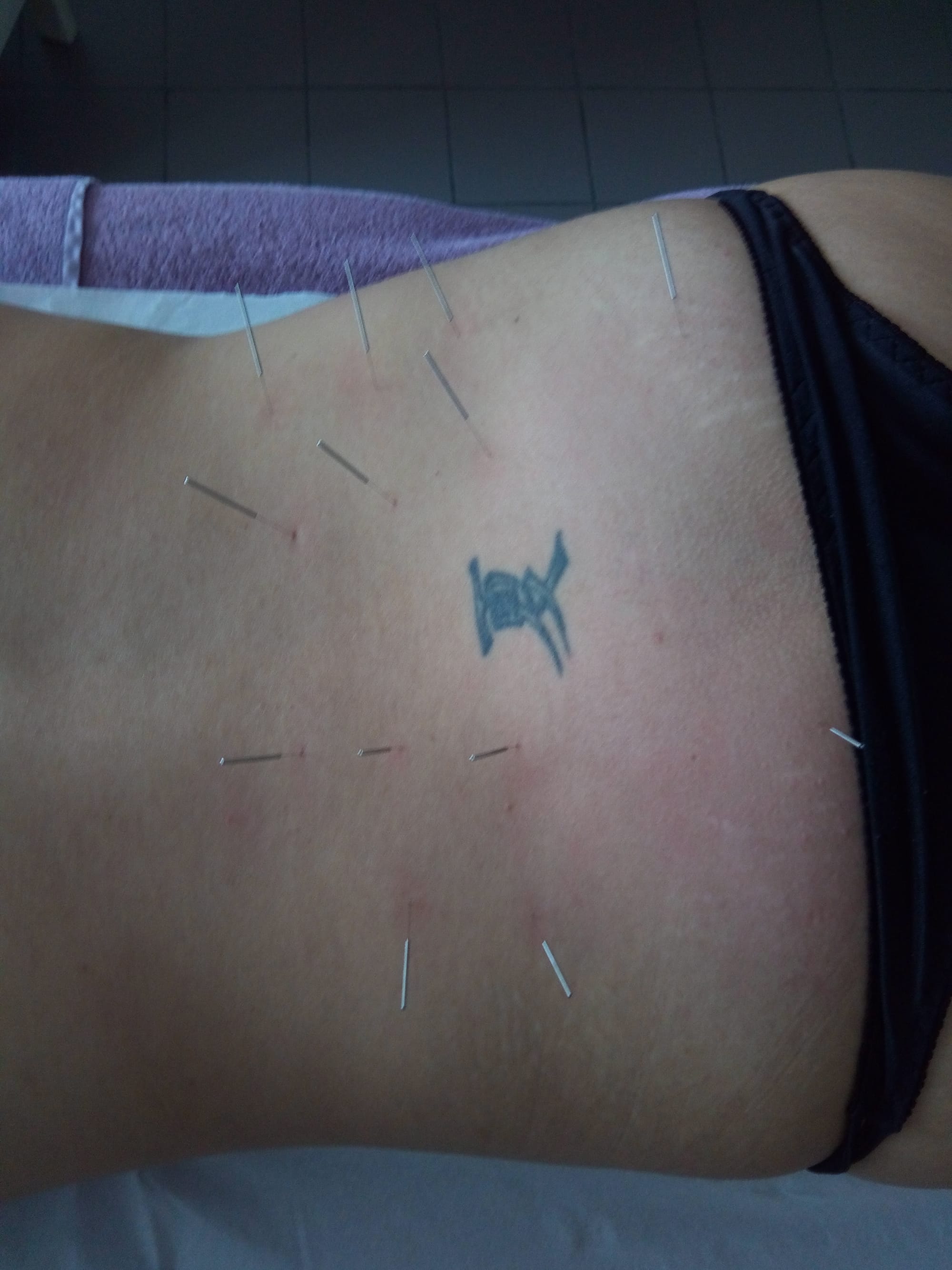
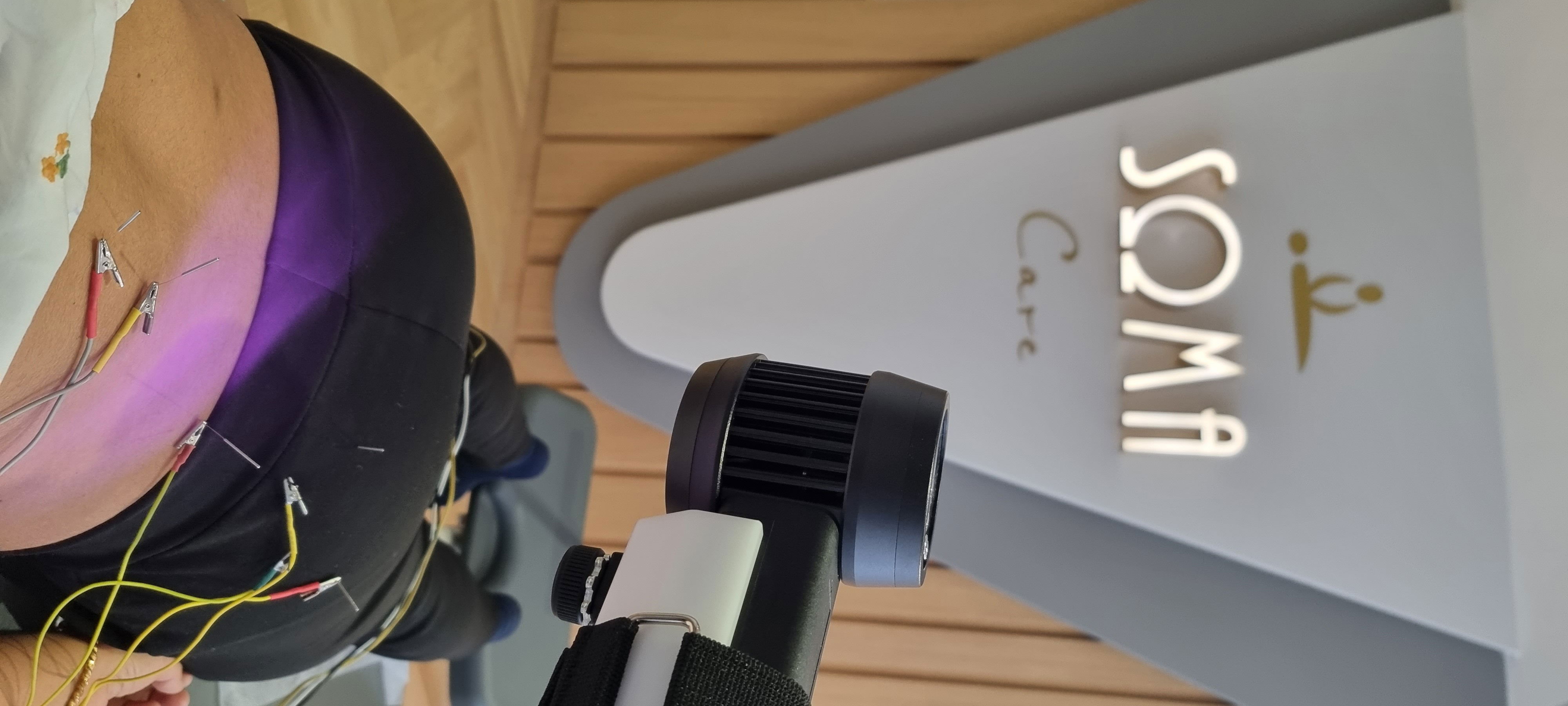
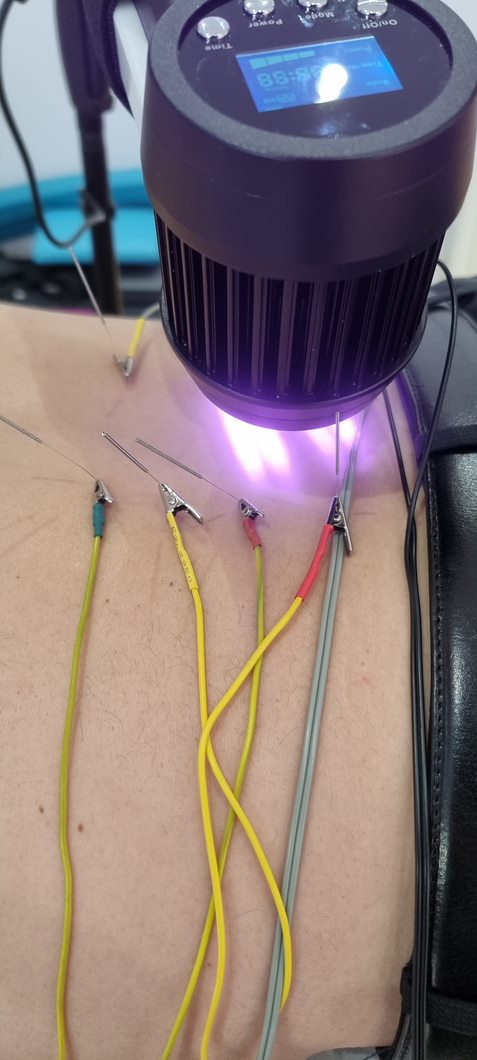
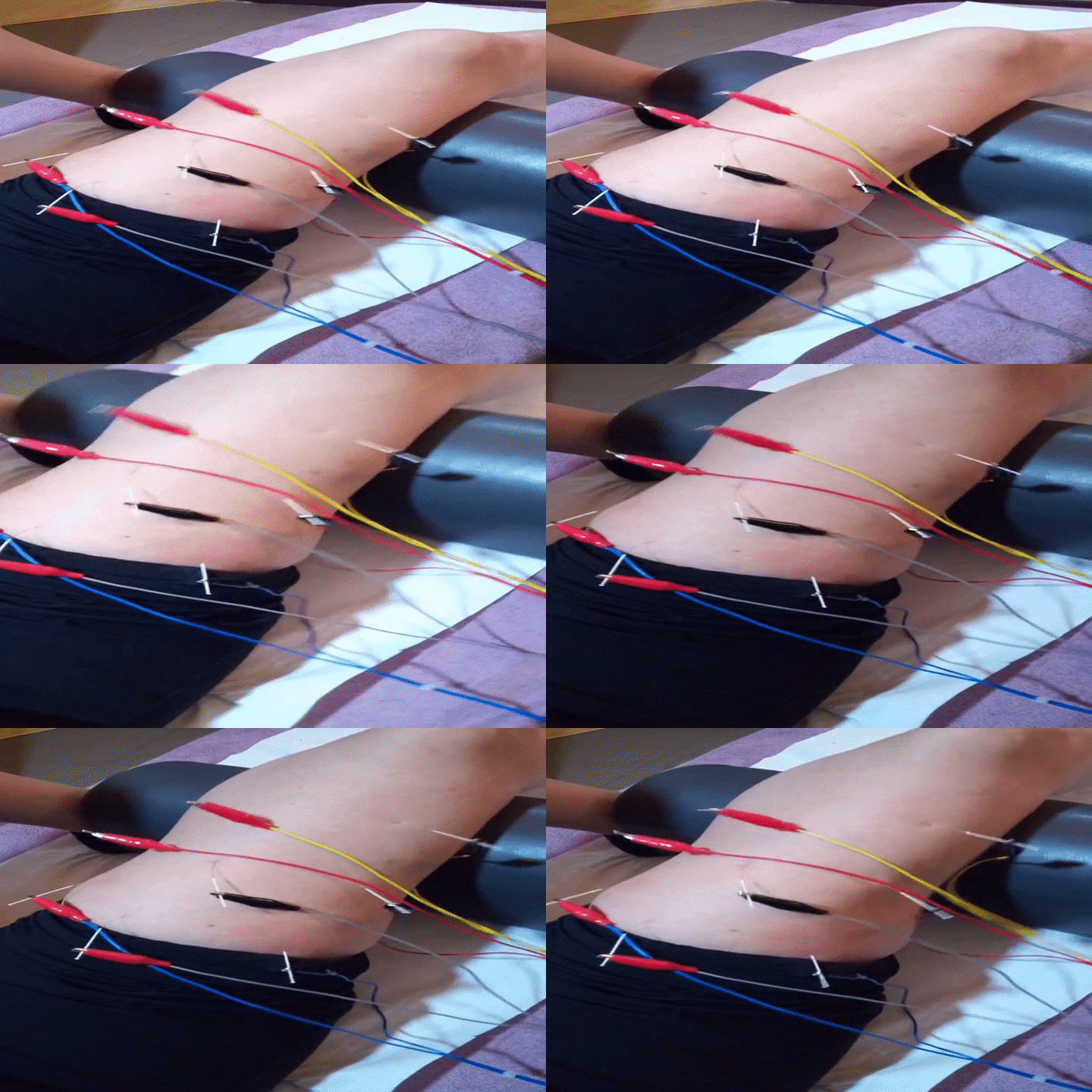
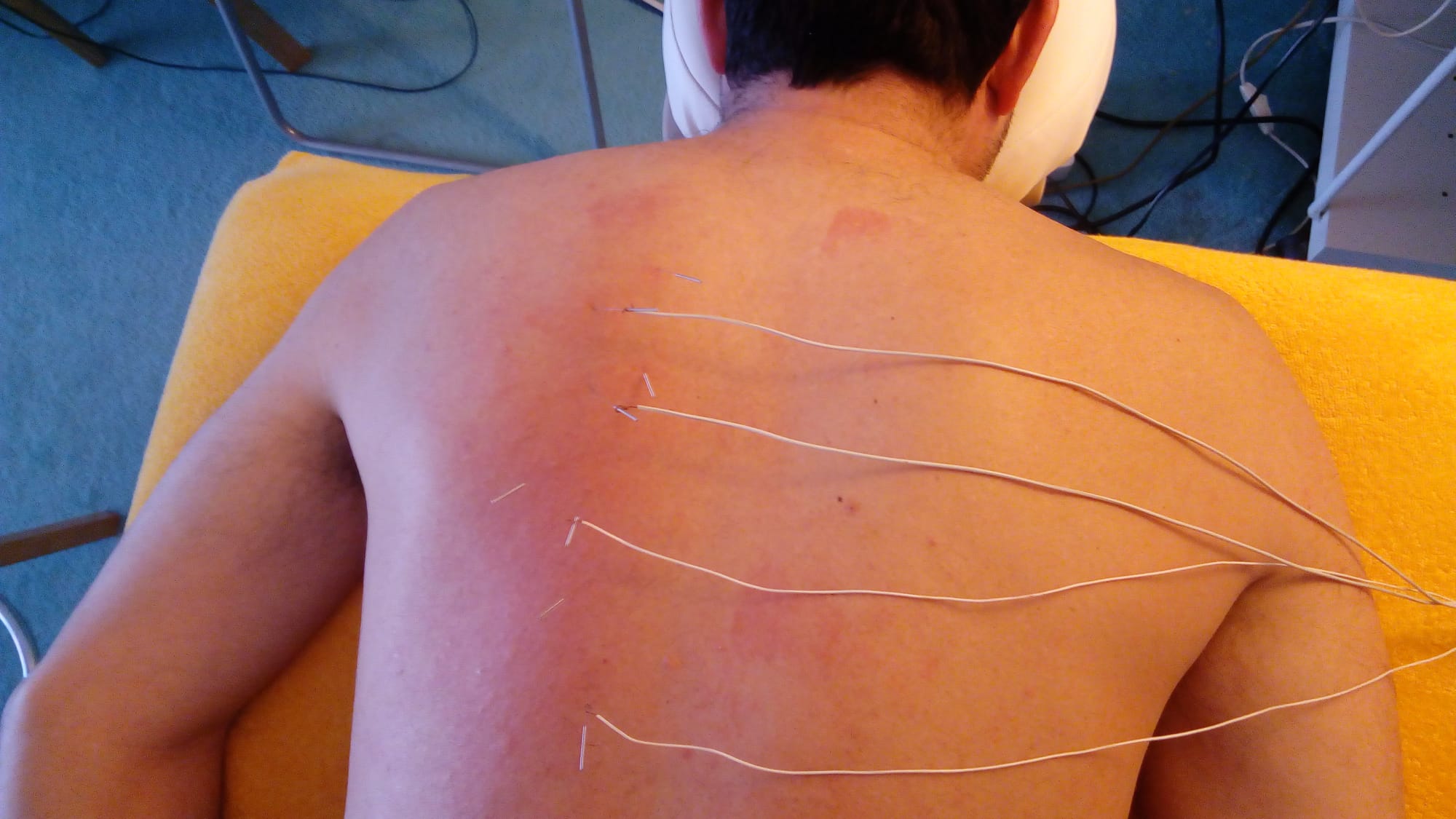
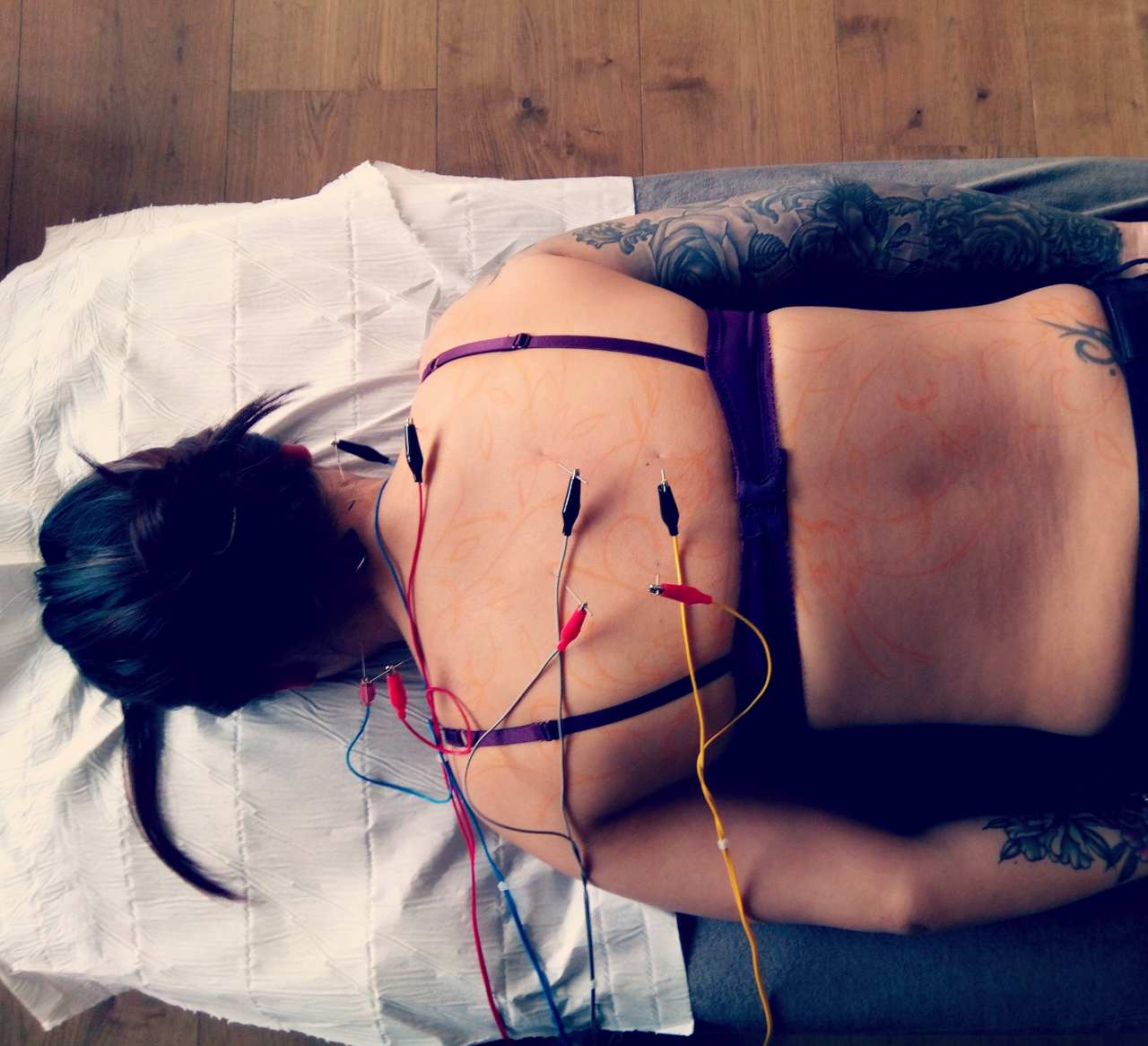
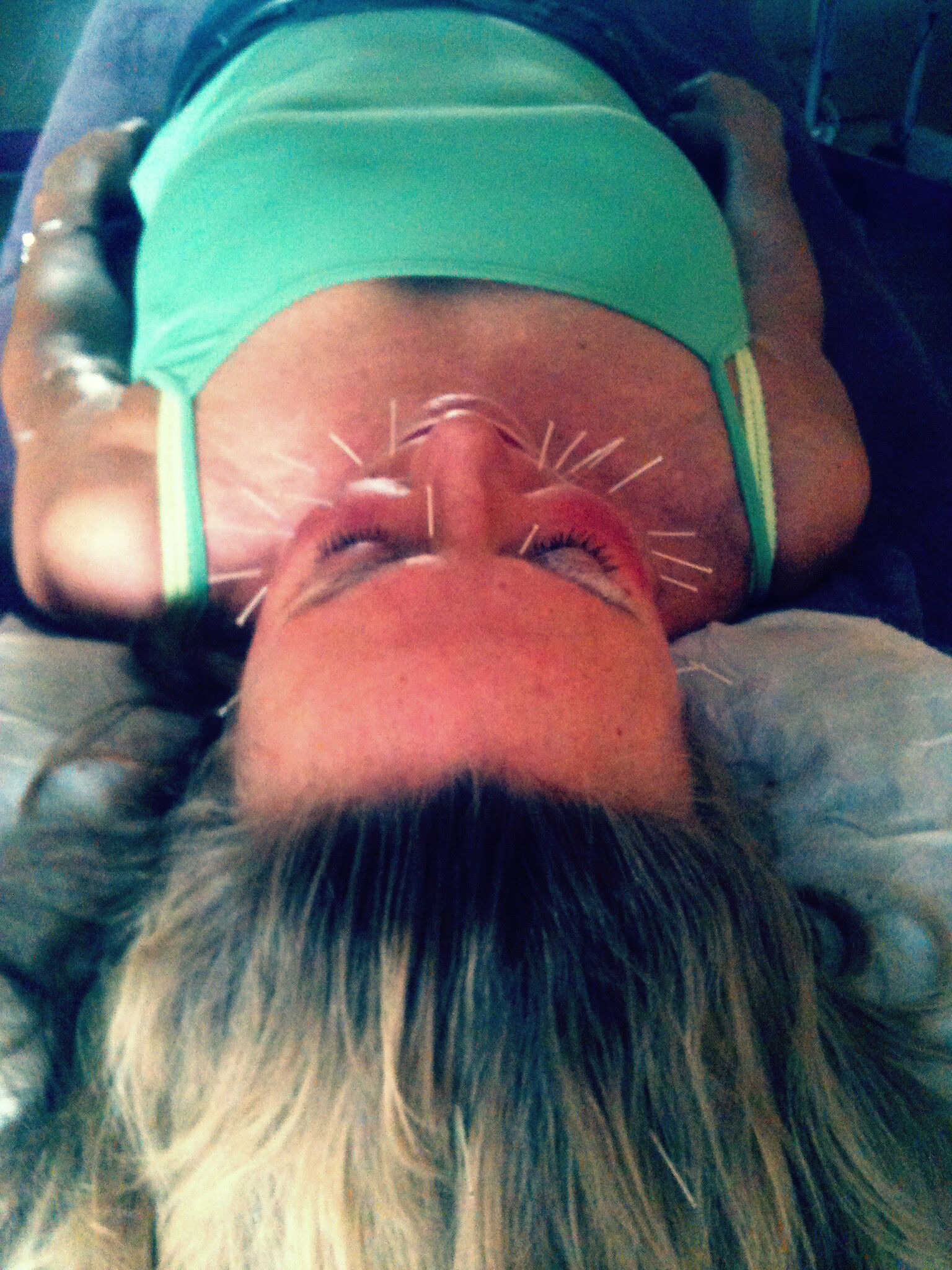
Medical acupuncture is a modern treatment approach founded in concepts of neurology, anatomy and physiology. Similar to traditional Chinese acupuncture, medical acupuncture involves the strategic placement of sterile needles into various locations in the body. The major differences between the two forms of acupuncture is that medical acupuncture often uses a low frequency (2-8Hz) electrical stimulation on the needles, and the selection of acupuncture points is based both on the traditional Chinese approach as well as including points that are anatomically and neurologically connected to your specific source of pain. Medical acupuncture has been shown to have beneficial results by inducing muscle relaxation, modulating pain, altering your neuroendocrine responses and changing your autonomic activity (‘fight or flight’ response) resulting in an overall relaxation and a feeling of well-being.
Recent research has found acupuncture to have positive results in the treatment of chronic low back pain, knee osteoarthritis, and management of chronic pain conditions. Other musculoskeletal conditions commonly treated with medical acupuncture include tendinosis, rotator cuff injuries, muscle strains, joint sprains, headaches and repetitive strain injuries. As previously mentioned, medical acupuncture helps to restore your body’s natural nerve and muscle tone, increases blood flow and provides pain relief for chronic conditions.
Typically the treatments last about 20-30 minutes and the number of needles used during treatment will vary according to each individual, duration of pain and the condition being treated. An improvement of 15% to 20% in pain sensation is often experienced after the first treatment. In general, further improvement follows within a few days; however, the effects of this technique can be immediate. Repeated treatments are necessary to see full pain relief in most cases.
Is the Treatment Painful?
Everybody has a different and unique response to acupuncture. Typically the treatment is pain-free, However, some have a heightened sympathetic response to needles which results in the sensation of lightheadedness, fatigue and often sweating. The application of the needle is similar to the ‘prick’ of a mosquito bite with further tightness being related to the tightness of the tissue the needle is in. The majority of needles are imperceptible when placed in the body. Furthermore, for a completely successful outcome, the point to be treated has to be the one that reproduces the referred pain, or be a spinal segment point located on the relevant somatic or autonomic segmental levels associated with the painful area. This means that the needle placement will often recreate the pain sensation of the condition. It is necessary to target the source of the pain in order to fully resolve musculoskeletal conditions. However, the end result of pain resolution is always worth the slight discomfort one might experience during the course of treatment.
Point de déclenchement myofascial et thérapies de libération myofasciale
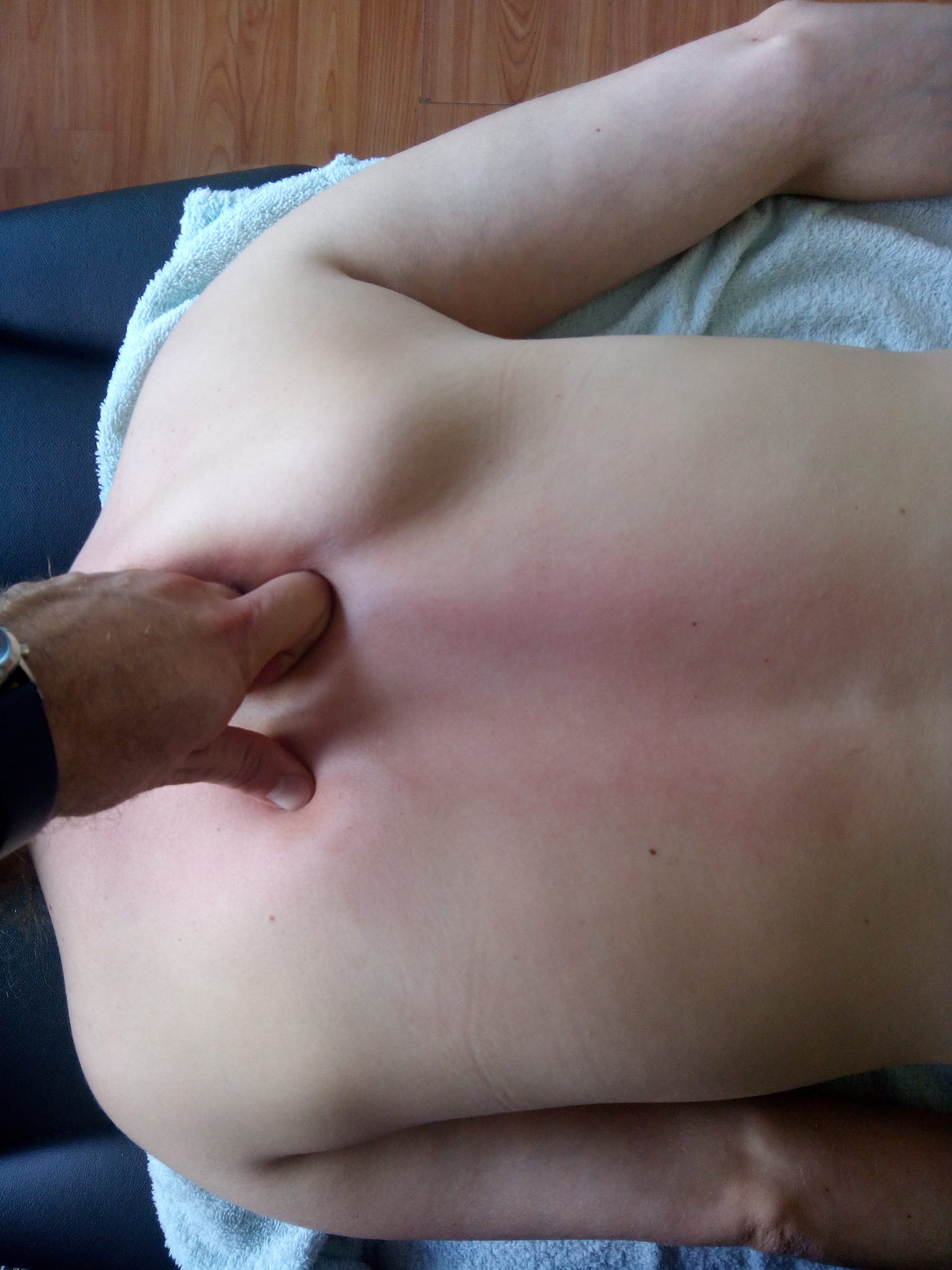
 Myofascial Trigger Point is defined as a highly localized and hyperirritable spot in a palpable taut band of skeletal muscle fibers. Myofascial release therapy claims to treat skeletal muscle immobility and pain by relaxing contracted muscles, improving blood and lymphatic circulation and stimulating the stretch reflex in muscles.
Thérapie au laser à faible intensité
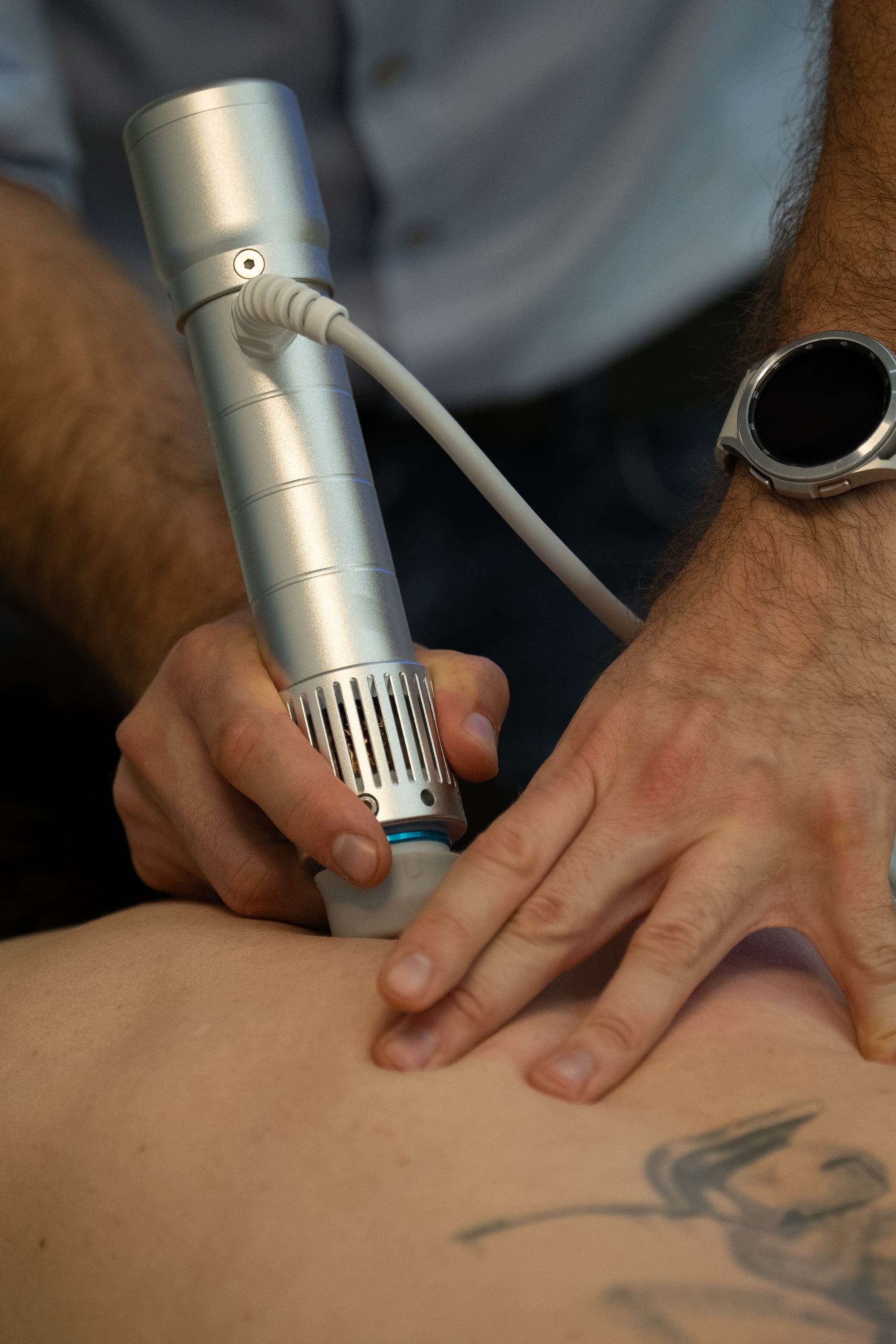
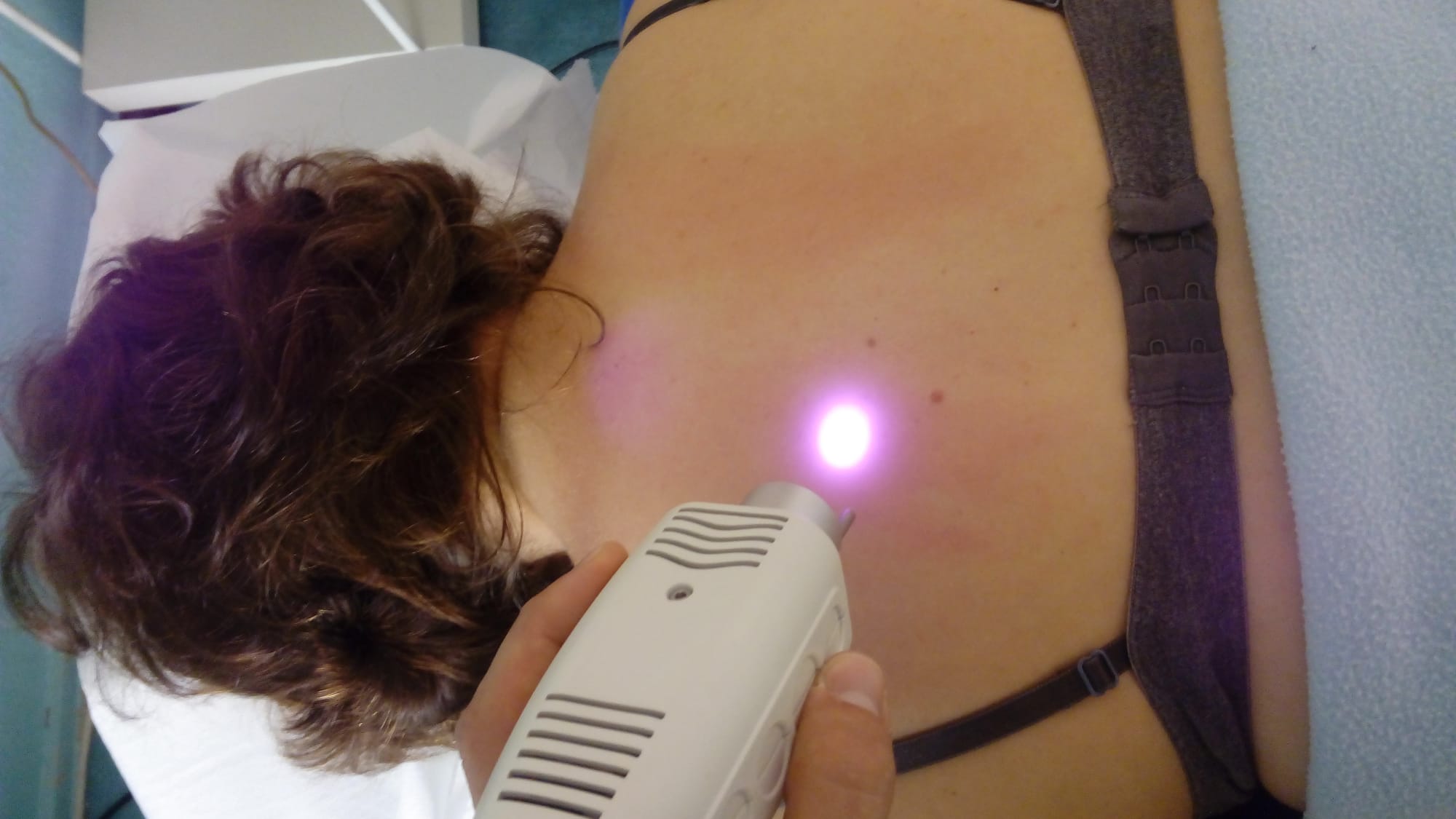
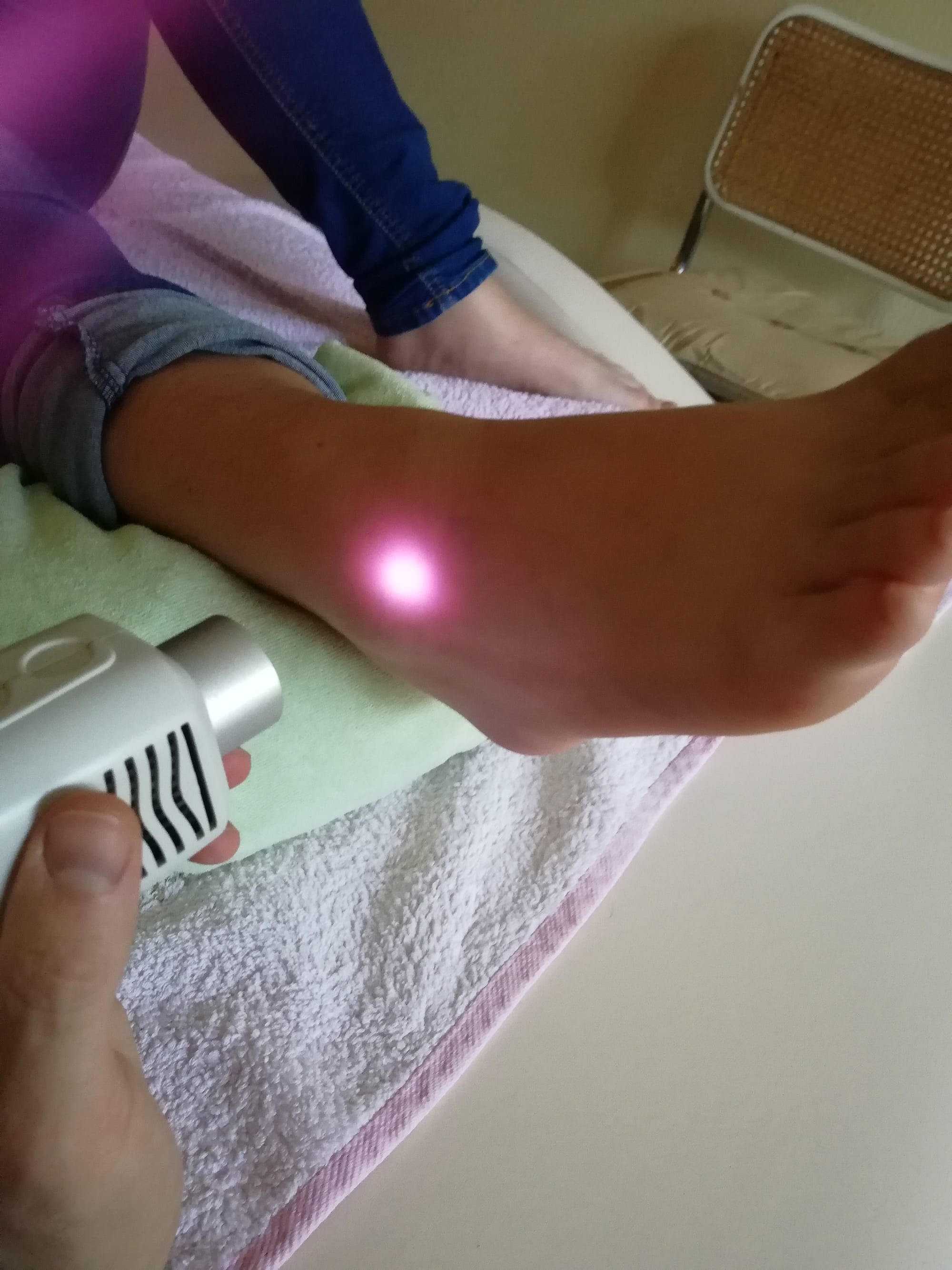
 Low Intensity Laser Therapy is a therapeutic technique based on an exclusive high-intensity laser. Emission that, working in absolute safety, allows to obtain an effective in depth therapeutic action. Ideal for treatment of painful pathologies affecting the osteo-muscular-articular apparatus, from the most superficial up to the deepest ones.
According to our knowledge no side-effects and pain during and after treatment have been reported. Today, low intensity laser therapy represents the most up-to-date solution, at step with ground-breaking innovations in the scientific world, in treating and curing painful pathologies such as those associated to tendons, muscles and ligaments; a rapid solution, effective and long-lasting all to the advantage of your patients, for their wellness and quality of life.
Main indications
- Bursitis, synovitis, capsulitis, tennis elbow, impingement syndrome.
- Osteoarthritis and degenerative processes.
- Tendonitis and tenosynovitis.
- Oedema and distortion traumas.
- Post-trauma pathologies, also due to over-exertion.
- Addctors syndromes, tibio-tarsal sprains, insertional inflammations, patellar chondropathies, patellar chondropathies, and all sport traumatology.
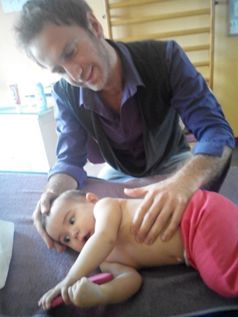
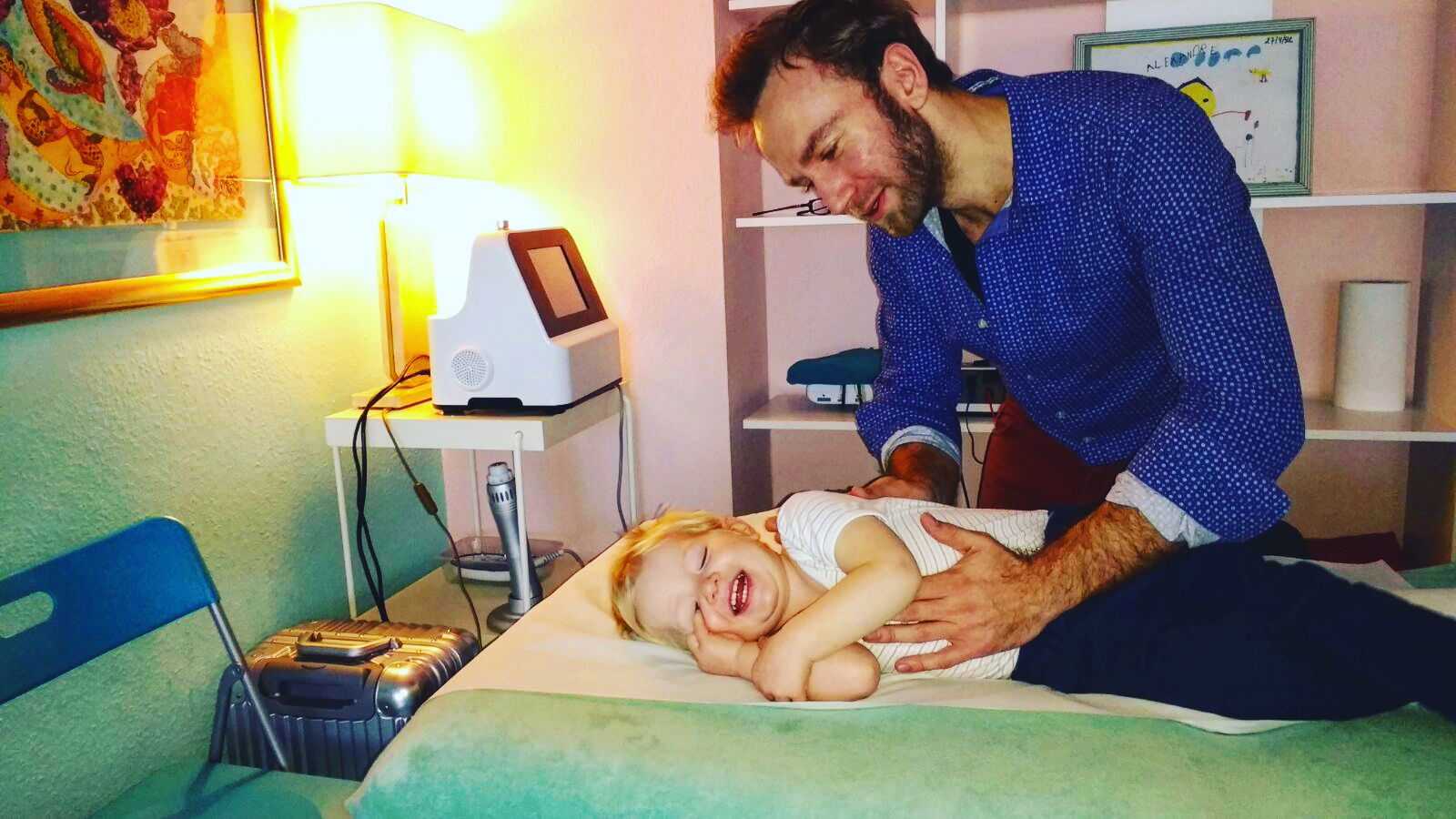
Traitements pédiatriques
 La physiothérapie vise à aider et à traiter les enfants et les jeunes ayant des problèmes de santé et utilise une grande variété de modalités pour traiter les troubles de la population pédiatrique.
Traitement des troubles temporo-mandibulaires
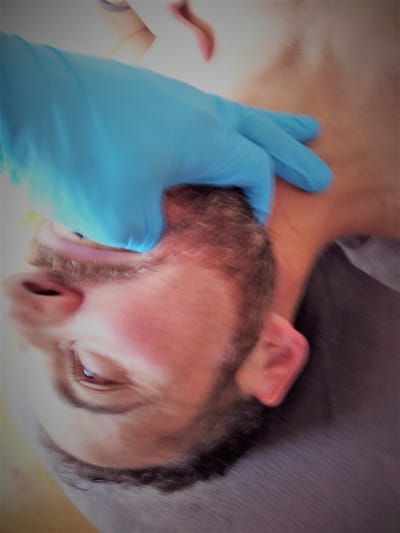
Il s'agit de relaxation, d'étirements et de relâchement des muscles tendus et des tissus cicatriciels.
Traitement des maux de tête
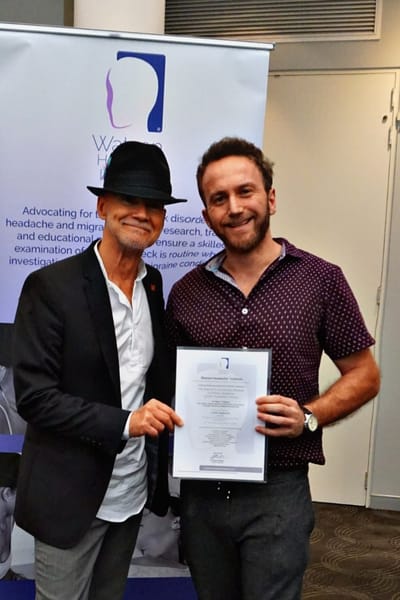
Céphalées quotidiennes chroniques, céphalées de tension, céphalées d'effort,
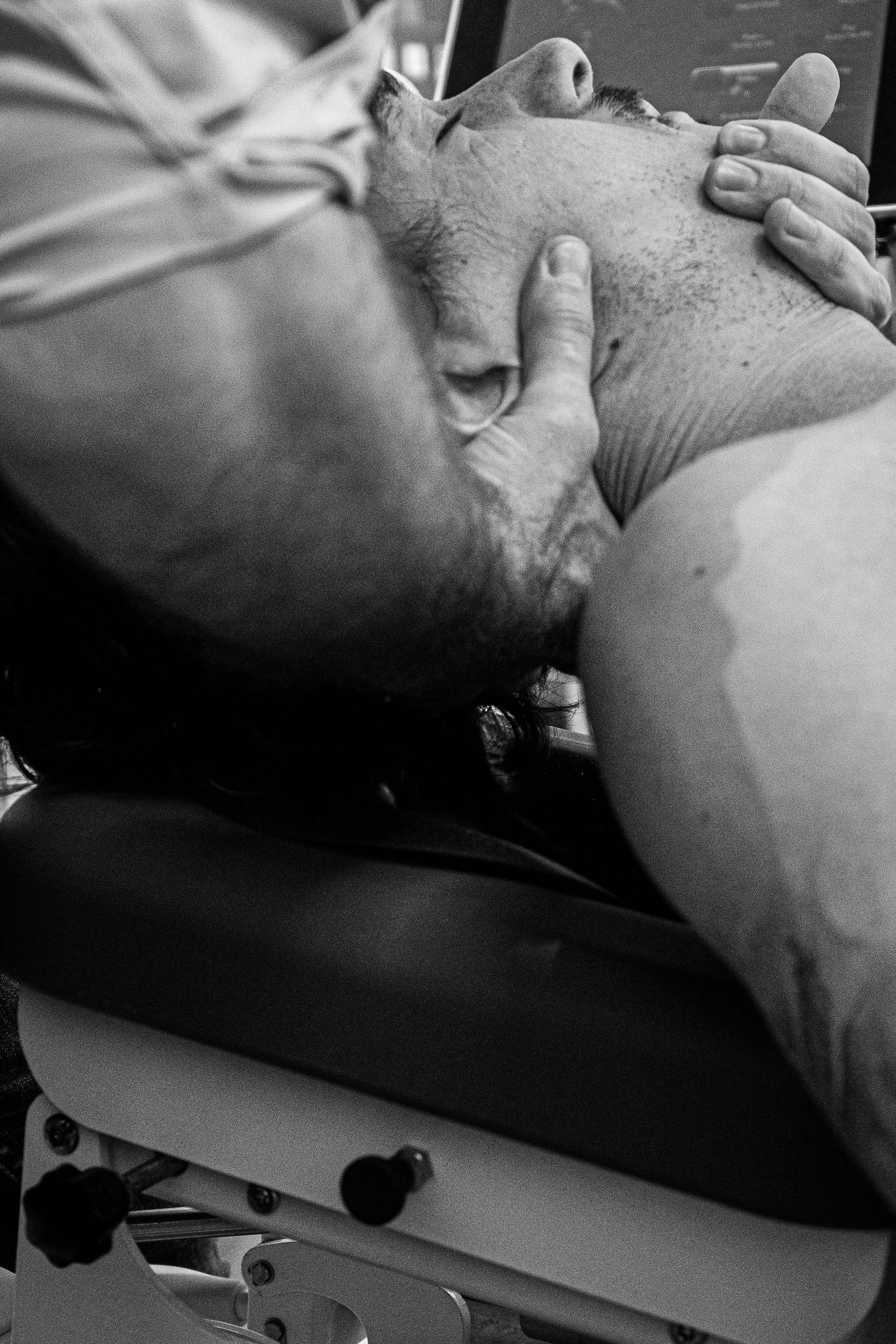
Migraines, douleurs sinusales ? Nous utilisons des compétences de thérapie manuelle de haut niveau pour identifier les défauts de mouvement et de position des trois articulations supérieures du cou qui sont spécifiquement liés aux douleurs de la tête et du cou et/ou à la migraine.
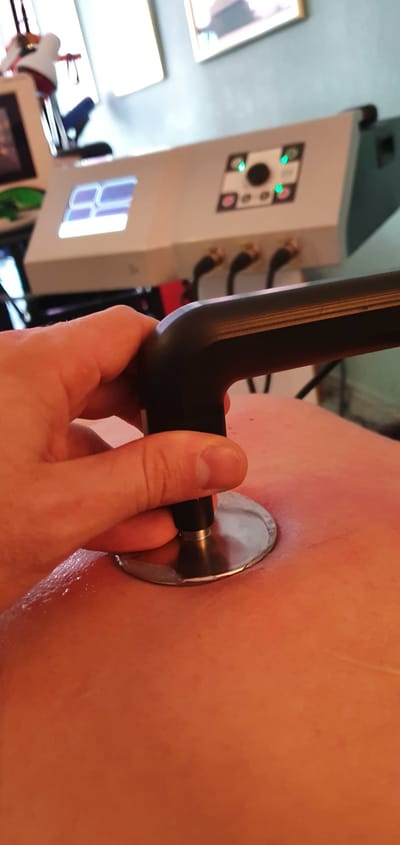
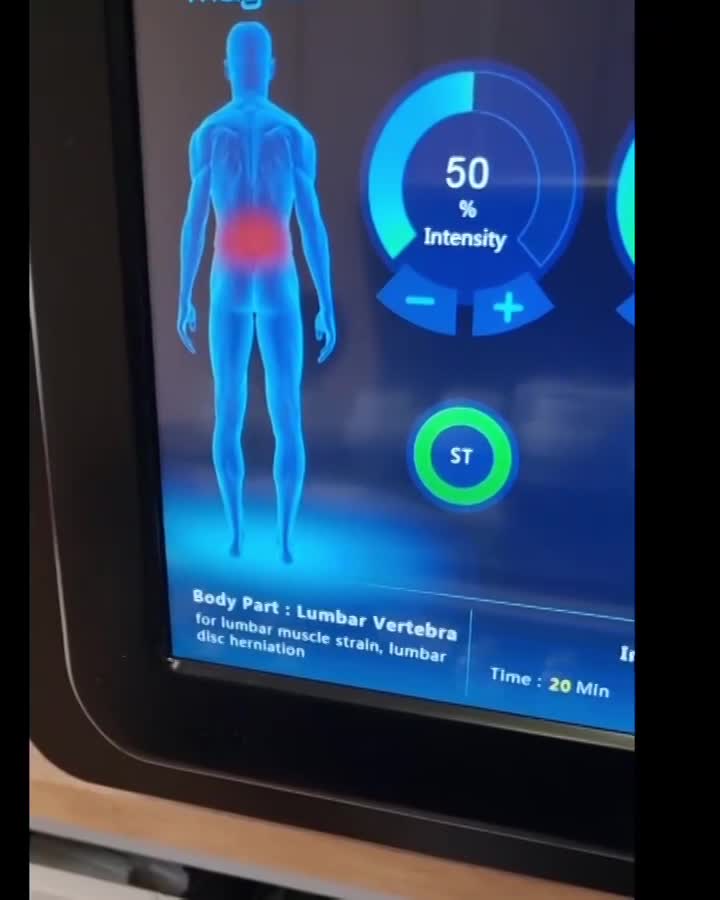
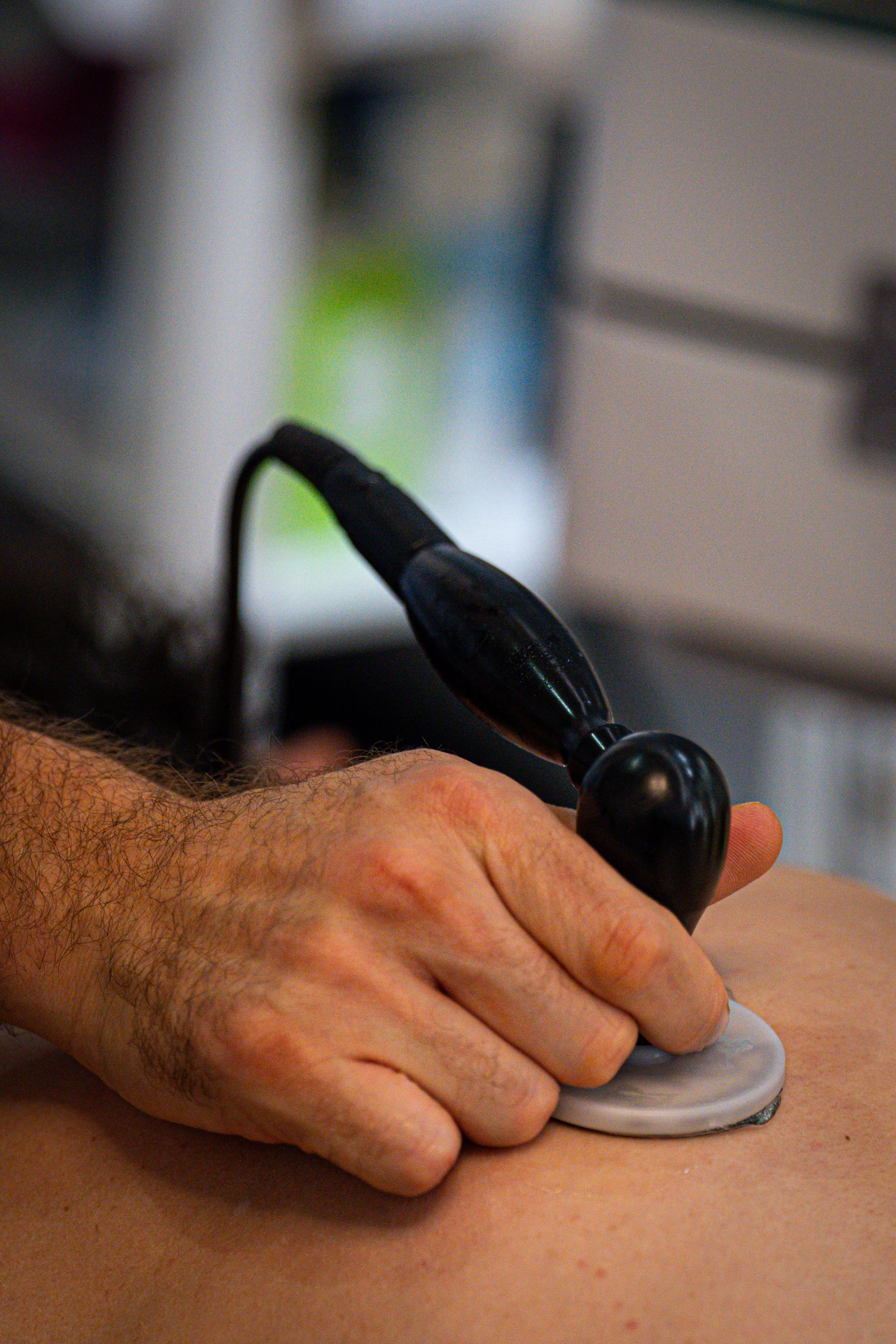
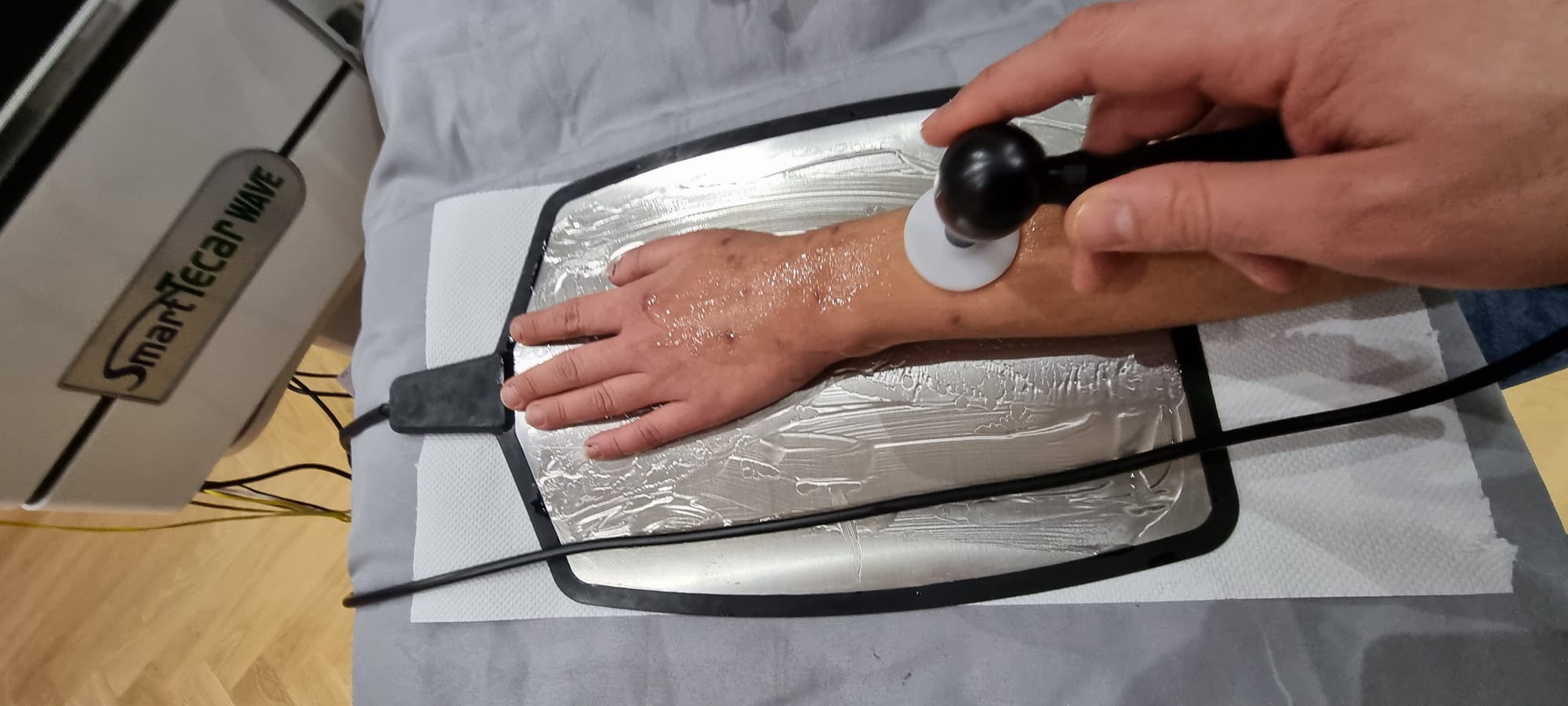
Thérapie TECAR